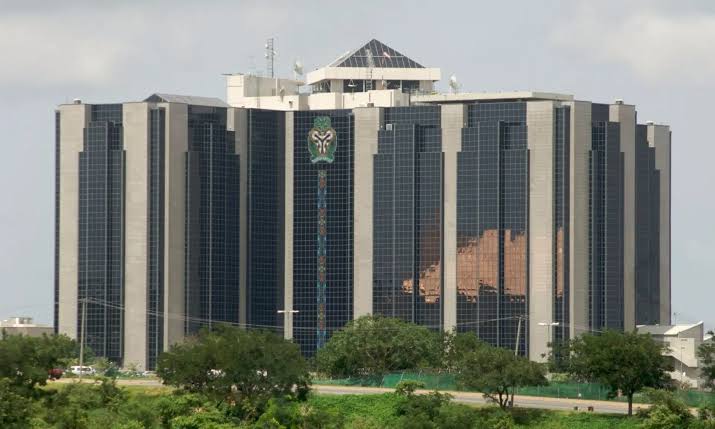
The Central Bank of Nigeria has announced new restrictions on banking services for chronic loan defaulters and major borrowers with non-performing loans, in a bid to strengthen credit discipline and protect the financial system.
The policy was unveiled on Wednesday following remarks by CBN Governor Olayemi Cardoso at the 4th Annual IMF/AFRITAC West 2 High-Level Executive Forum held in Abuja.
Cardoso declared an end to regulatory leniency for delinquent borrowers, signalling a tougher stance on corporate governance. He noted that the shift is aimed at safeguarding the N4.61 trillion in fresh capital recently raised by the banking sector from misuse.
“Our stance on corporate governance is unequivocal: zero tolerance for violations,” Cardoso said, adding that the move would enhance accountability, strengthen supervision, and raise compliance standards across banks.
Under the new directive, “large-ticket obligors”—individuals or entities with substantial non-performing loans listed in the Credit Risk Management System—will be denied access to new credit facilities, as well as key banking instruments such as letters of credit and performance bonds.
The apex bank said the restriction is intended to promote a stronger repayment culture and prevent “credit jumping,” where defaulters move between banks to secure additional loans.
By limiting access to banking services for persistent defaulters, the CBN aims to protect depositors’ funds and maintain financial system stability.
Cardoso also reaffirmed the bank’s commitment to orthodox monetary policy, emphasizing a focus on price stability and traditional policy tools to rebuild confidence in the naira.
For years, Nigeria’s banking sector has grappled with high-profile borrowers—often large corporations or wealthy individuals—who default on massive loans, posing risks to bank liquidity and depositor security.
The latest measures reflect a broader policy shift under Cardoso’s leadership, moving away from interventionist lending practices toward stricter financial regulation and monetary discipline.