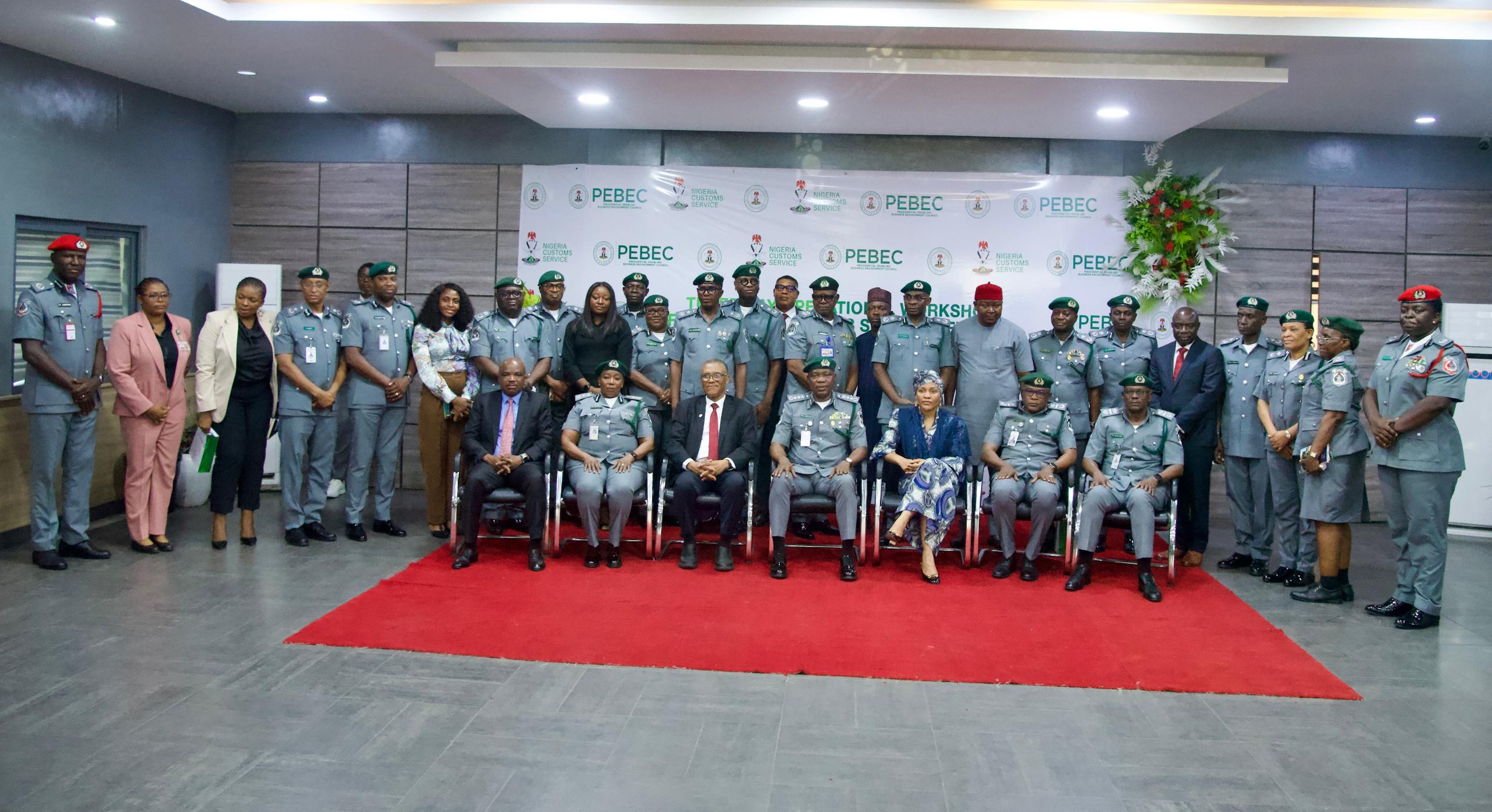
The Nigeria Customs Service and the Presidential Enabling Business Environment Council have launched a new reform programme aimed at improving efficiency at Nigeria’s ports and strengthening the country’s trade competitiveness.
The initiative was announced at the opening of a three-day workshop in Apapa on April 7, with a focus on port efficiency, inspection reforms and faster cargo clearance.
Speaking at the event, Adewale Adeniyi said the reform agenda would rest on five key areas: joint inspections, risk-based cargo clearance, better use of scanning equipment, stricter enforcement of service timelines and stronger collaboration among government agencies.
According to him, the Customs Service must move beyond developing policies and focus on ensuring that existing reforms are properly implemented.
Adeniyi said the agency is shifting toward intelligence-driven cargo processing and stressed that investments in digital platforms and scanning technology should lead to quicker and more transparent clearance procedures.
He added that the workshop would produce a reform implementation matrix that would be closely monitored to ensure progress, while also calling on customs officers to maintain professionalism, integrity and commitment.
Director-General of Presidential Enabling Business Environment Council, Zahrah Mustapha-Audu, said the country must adopt more data-driven and risk-based inspection methods instead of carrying out blanket checks on all cargo.
She noted that efficient and transparent border procedures are essential to lowering the cost of doing business and improving Nigeria’s position in global trade.
Earlier, Caroline Niagwan said the Customs Service now plays a central role in trade facilitation and economic growth, adding that improved efficiency should be evident across all commands.
After the workshop, the Customs and PEBEC delegation visited the National Single Window facility, where they met with Zacch Adedeji and other stakeholders to review ongoing progress and identify operational challenges.
Business
NCS, PEBEC Unveil Port Reform Plan to Improve Trade Efficiency