Project PINK BLUE – Health & Psychological Trust Centre has called on the Federal Government, state authorities, hospital managements, and key stakeholders to implement patient navigation services across all cancer centres in Nigeria.
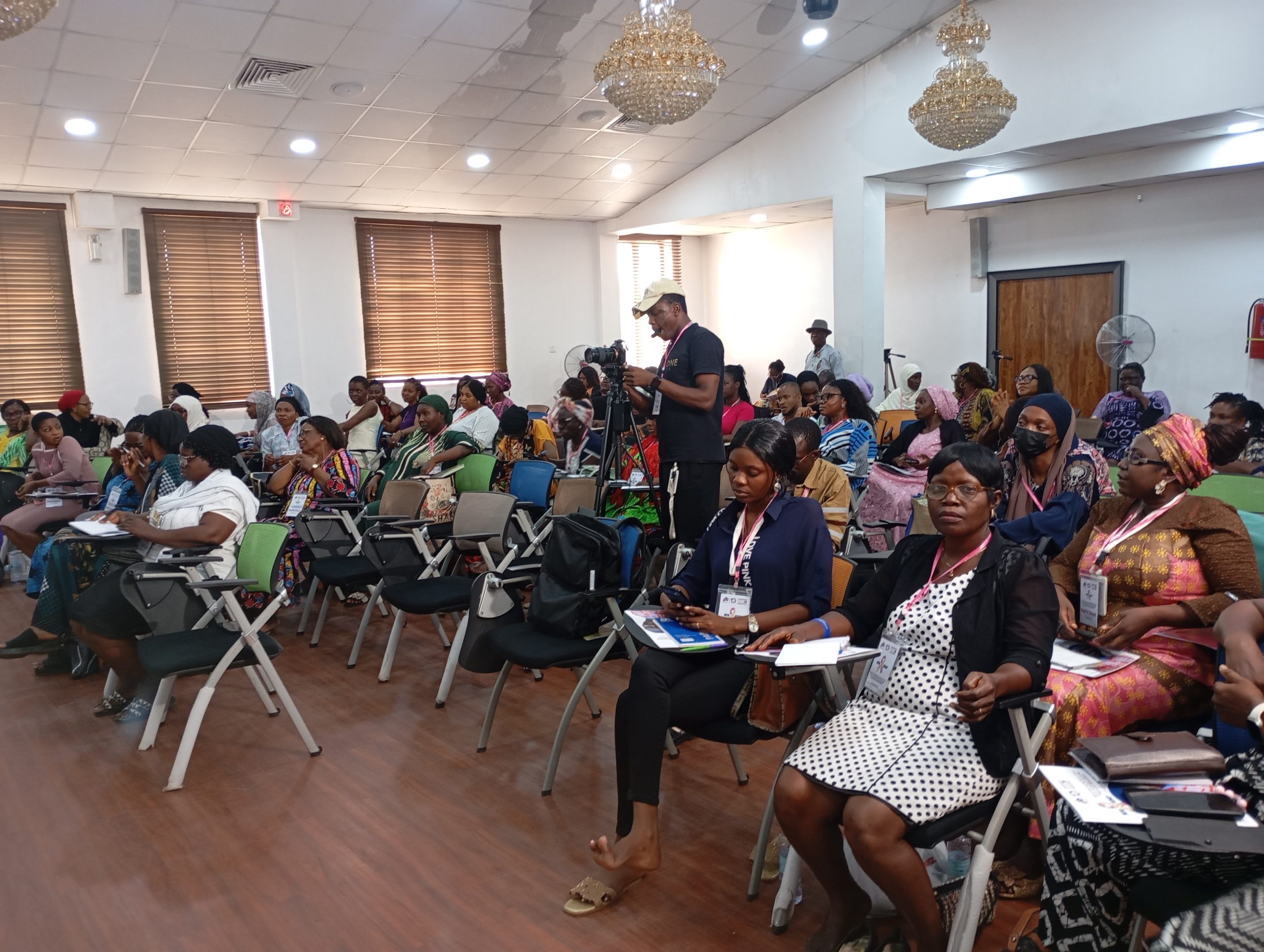
The appeal followed the conclusion of the Women Empowering Women – Breast Cancer Navigation and Technology Programme (WEW-BCNaP) Patient Navigation Training held in Abuja from April 21 to 22, 2026. The initiative, supported by AstraZeneca under the Powering Breast Cancer Progress programme, aims to curb late detection of breast cancer and improve timely access to diagnosis and treatment through trained patient navigators and the use of mobile technology.
According to the World Health Organization, Nigeria recorded 32,278 new breast cancer cases and 16,332 deaths in 2022, underscoring the growing burden of the disease, particularly among younger women.
Project PINK BLUE noted that beyond the statistics, many patients face confusion and systemic barriers after diagnosis, including stigma, financial constraints, poor understanding of medical information, and difficulty navigating the healthcare system. These challenges often result in delayed treatment, missed appointments, and in some cases, abandonment of care.
Executive Director of Project PINK BLUE, Runcie C.W. Chidebe, said patient navigation programmes provide structured support to help patients understand their diagnosis, access appropriate referrals, adhere to treatment, and receive psychosocial and financial support.
He acknowledged the inclusion of patient navigation in Nigeria’s National Cancer Control Plan (2026–2030), but urged authorities to move beyond policy to full implementation nationwide, stressing that no cancer patient should die due to gaps in the healthcare system.
Through the WEW-BCNaP programme, breast cancer survivors, retired nurses, social workers, and other healthcare professionals have been trained as patient navigators to support individuals throughout their treatment journey.
Participants at the training highlighted the importance of patient navigation in improving outcomes, noting that it equips caregivers with tools to address barriers such as fear, misinformation, and loss to follow-up.
The programme also incorporates mobile technology, including the PINK BLUE App, designed to enhance patient tracking, communication, referrals, and continuity of care.
Project officials said the digital platform is intended to simplify access to care pathways and reduce uncertainty for newly diagnosed patients by connecting them to relevant services and support systems.
Stakeholders emphasised that strengthening patient-centred support systems would improve early diagnosis, treatment adherence, and overall survival rates for women living with breast cancer in Nigeria.