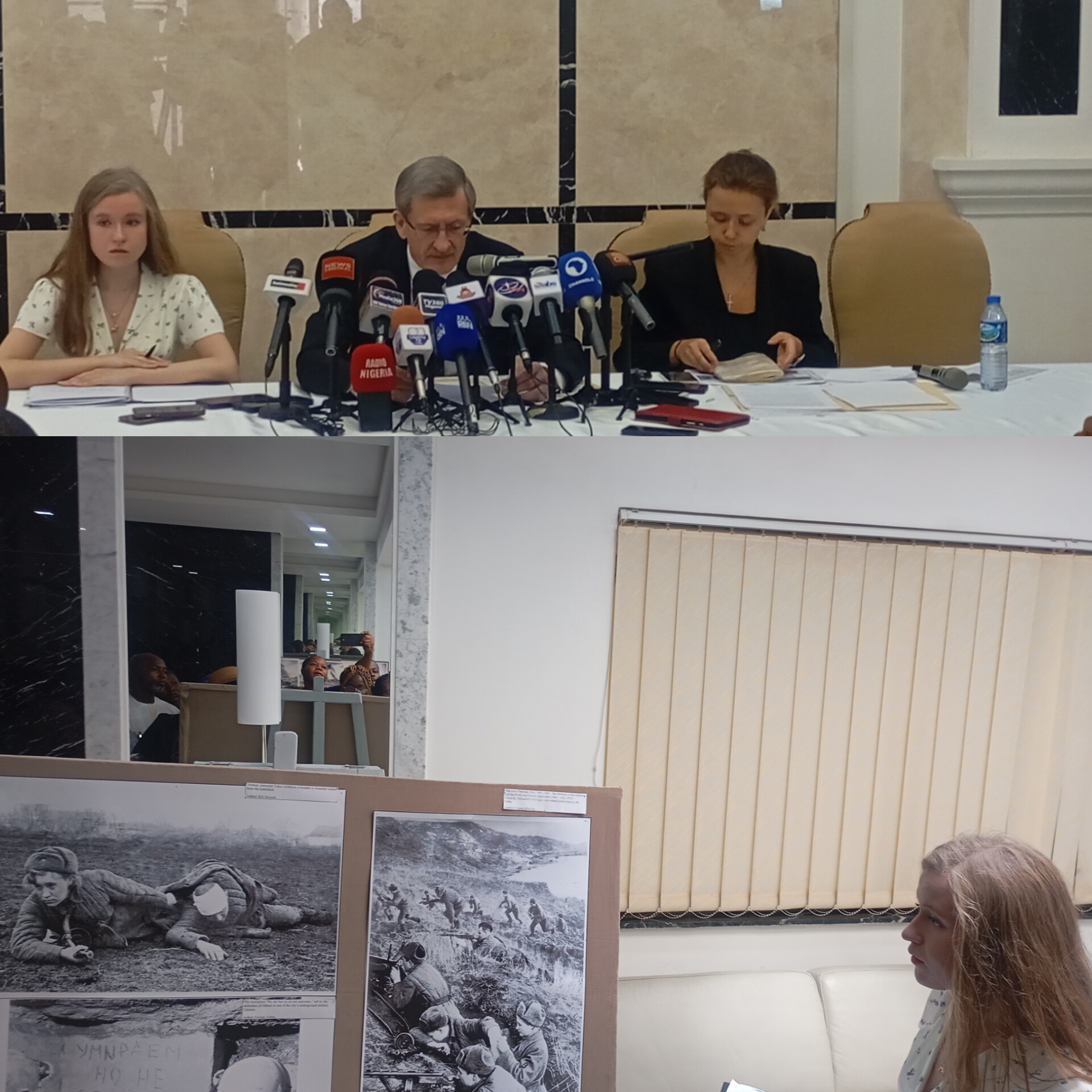
Russian officials have used this year’s Victory Day commemorations to reiterate the former Soviet Union’s central role in the defeat of Nazi Germany, while drawing parallels between that conflict and the ongoing war in Ukraine.
The annual event, a key national observance, honours an estimated 27 million Soviet citizens who died during what is locally referred to as the Great Patriotic War. Ceremonies nationwide highlighted the Red Army’s contribution to the Allied victory, particularly following decisive engagements such as the Battle of Stalingrad.
Authorities in Russia maintained that the Soviet Union’s wartime sacrifices have not received adequate global recognition, stressing the unmatched scale of its losses.
Officials also framed the current conflict in Ukraine within this historical narrative, arguing that tensions date back to the 2014 protests known as Euromaidan. Moscow claims the political shift that followed alienated Russian-speaking populations in eastern Ukraine and Crimea, and cited the collapse of the Minsk Agreements as a missed diplomatic opportunity.
Russian authorities continue to defend their military intervention as a move to protect Russian-speaking communities and address security concerns, including the expansion of NATO.
However, Ukraine and its Western allies reject this position, describing Russia’s actions as an unprovoked invasion and a breach of international law.
Some Victory Day speeches also adopted a reflective tone, acknowledging the heavy human cost of global conflict and suggesting that stronger diplomatic efforts in the 20th century might have prevented widespread devastation.
Analysts note that differing interpretations of both World War II and the current Ukraine war remain deeply contested, with historical memory continuing to shape Russia’s national identity and geopolitical messaging.