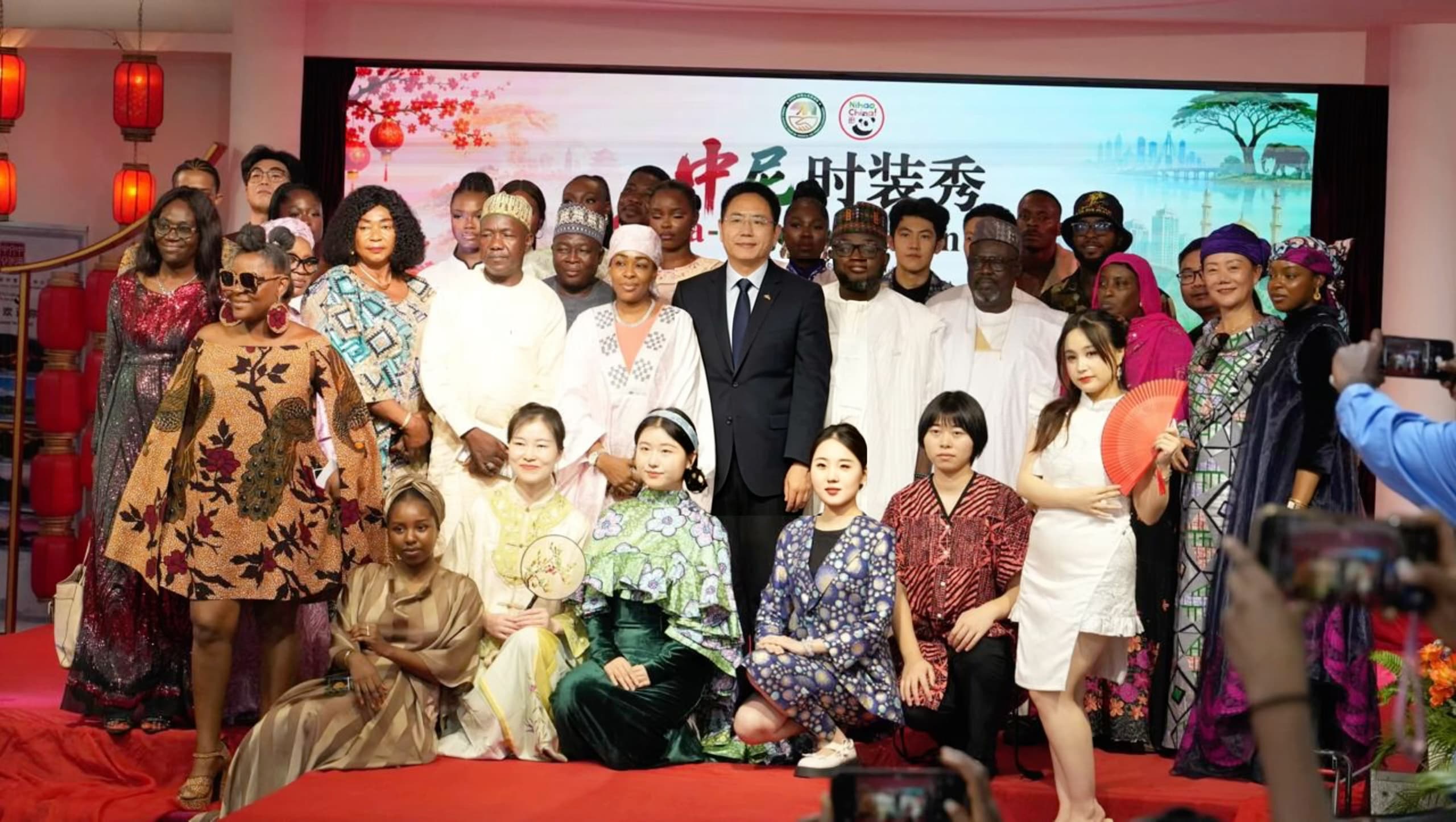
Nigeria and China have showcased their rich cultural heritage through fashion, with models from both countries displaying traditional and contemporary designs at a China-Nigeria Fashion Show as China and Nigeria celebrated 55 years of diplomatic ties with a joint fashion show that fused tradition, music and modern style in Abuja.
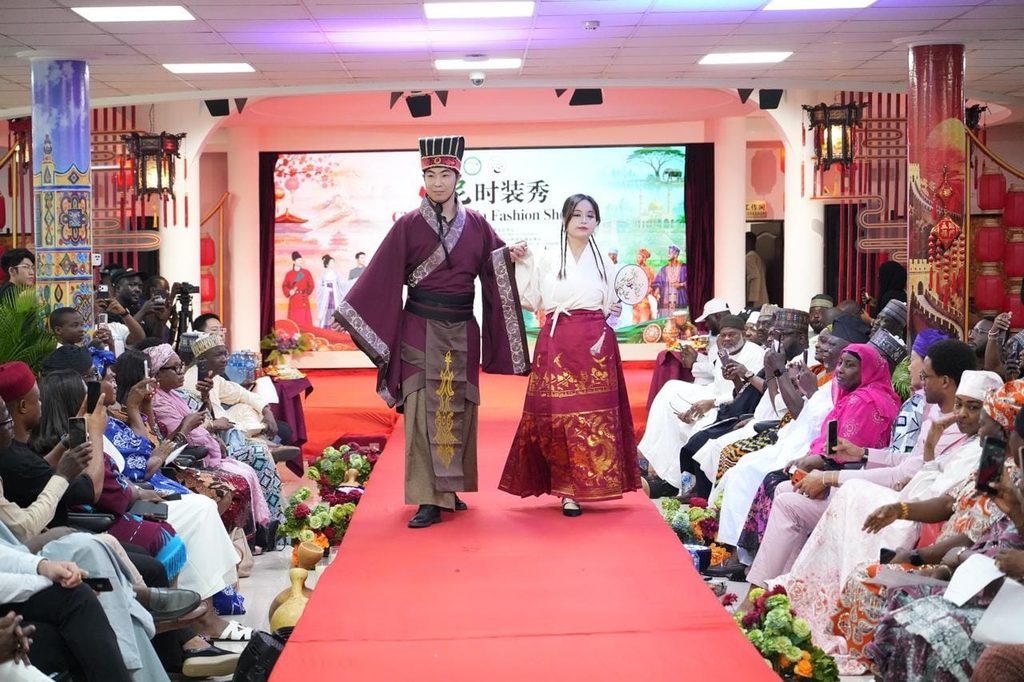
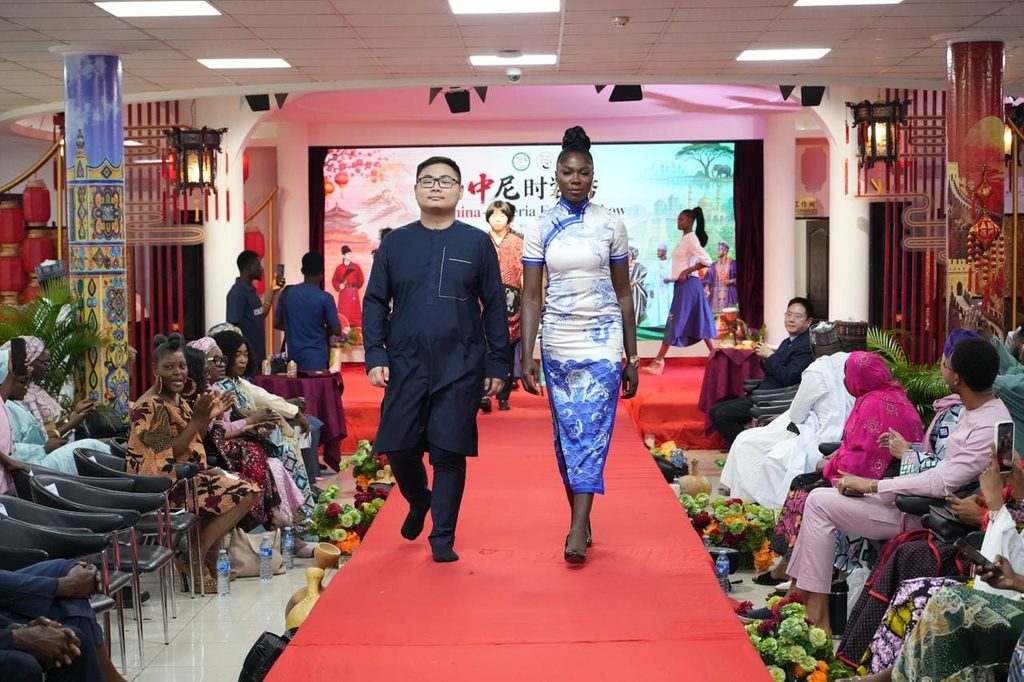
The event brought together government officials, diplomats, fashion designers, creative industry stakeholders and other guests to celebrate cultural exchange and the growing relationship between the two countries.
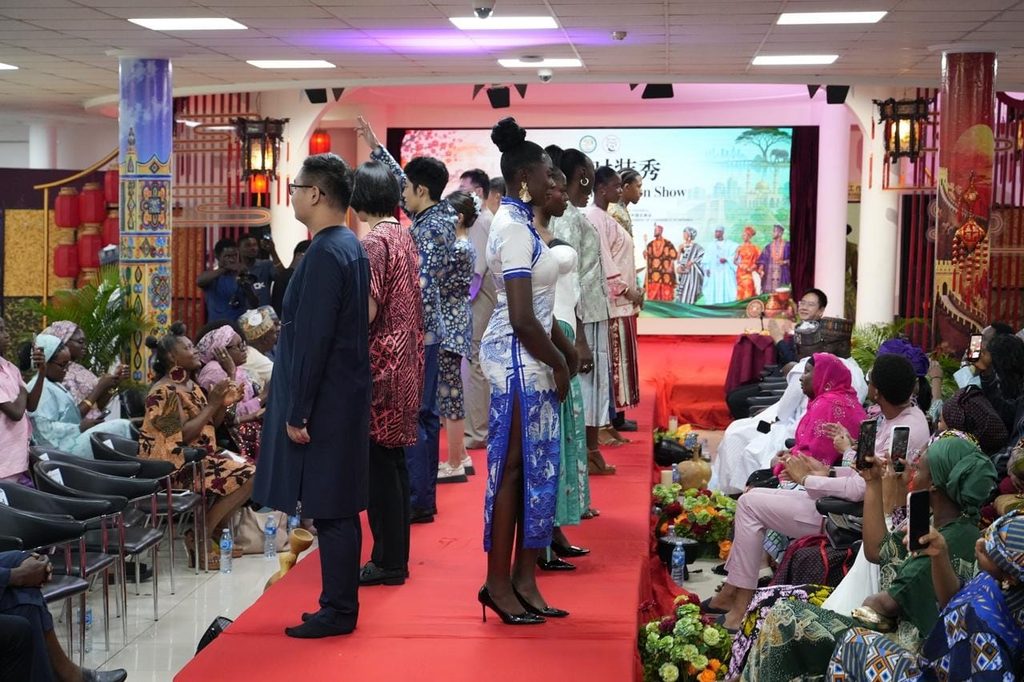
The Cultural Counsellor at the Embassy of the People’s Republic of China in Nigeria and the Director of the China Cultural Centre in Nigeria, Yang Jianxing said fashion should be viewed beyond clothing, describing it as a universal language capable of connecting people and cultures.
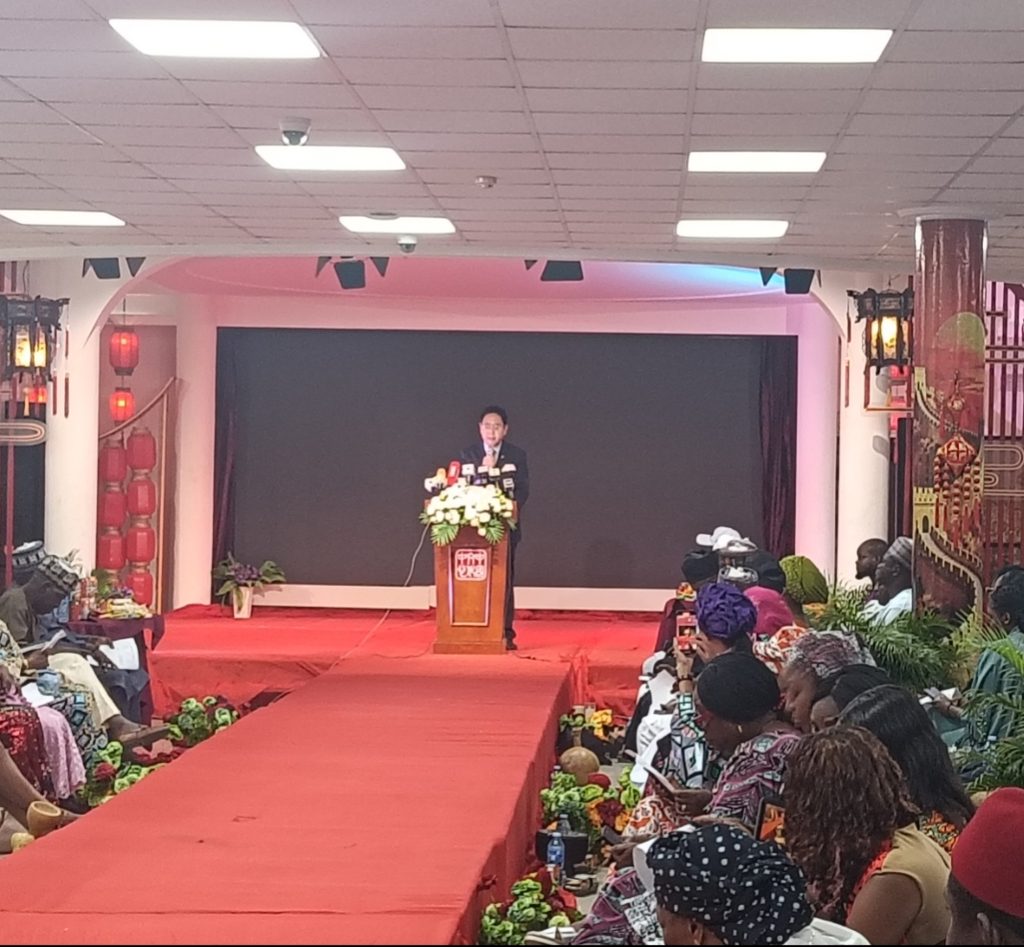
He said the fashion show provided an opportunity for Chinese and Nigerian traditions to interact, while creating room for greater cooperation in the creative and fashion industries.
Yang highlighted several Chinese traditional outfits presented at the event, including Hanfu, Tang-style clothing, Qipao, Changshan and Mamianqun, popularly known as the horse-face skirt.
Nigerian designs also reflected the country’s diverse cultural traditions, with outfits such as Aso Oke, Agbada, Buba and Gele showcasing the creativity and identity of different Nigerian communities.
He said the combination of Chinese aesthetics and African artistic traditions could encourage innovation, strengthen people-to-people relations and create new opportunities within the creative economy.
The Director of Education Support Services in the FCT Ministry of Education also commended the Chinese government for providing scholarship and training opportunities for Nigerians.
He recalled that China’s bilateral scholarship programme initially offered 10 slots to Nigerian students before the number was increased to 20, and appealed for more opportunities to enable additional Nigerian students to study in China.
The official also disclosed that Nigerian education personnel had benefited from opportunities to undertake courses in China, describing the initiative as an important area of cooperation.
He encouraged parents and students to consider educational opportunities in China, citing the country’s education system and cultural diversity.
Representing the Minister of Arts, Culture, Tourism and Creative Economy, the ministry’s representative said fashion could contribute to cultural diplomacy, economic development and stronger relations between Nigeria and China.
He described fashion as an expression of identity, creativity and heritage, noting that bringing the creative sectors of both countries together could promote knowledge sharing, innovation and economic opportunities.
The ministry representative said the Federal Government remained committed to creating platforms through which Nigerian creatives could engage international partners and reach wider audiences.
The Special Guest of Honour, the Director of Cultural and Traditional Affairs, commended the organisers and Significant Stitches, a Nigerian fashion house, for using the event to promote the country’s cultural heritage.
He described Nigeria’s textiles, colours, craftsmanship and traditions as valuable assets that deserved greater international exposure.
He noted that Significant Stitches started in 2020 from a small container space and had developed into a contemporary fashion brand combining traditional Nigerian textiles with modern designs.
The official praised the founder, management and supporters of the fashion house for helping to transform the initial vision into a runway showcase.
He encouraged young creatives not to be discouraged by humble beginnings, stressing that determination and creativity could open opportunities for growth.
He further called for more platforms capable of supporting creative enterprises, generating jobs for young people and strengthening cultural cooperation between Nigeria and China.
The event organisers expressed appreciation to the designers, models, performers, media organisations, Chinese companies and other stakeholders who contributed to the fashion showcase.
The fashion show ultimately presented fashion as a bridge between the two countries, with the designs on the runway reflecting the traditions, creativity and cultural identity of Nigeria and China.