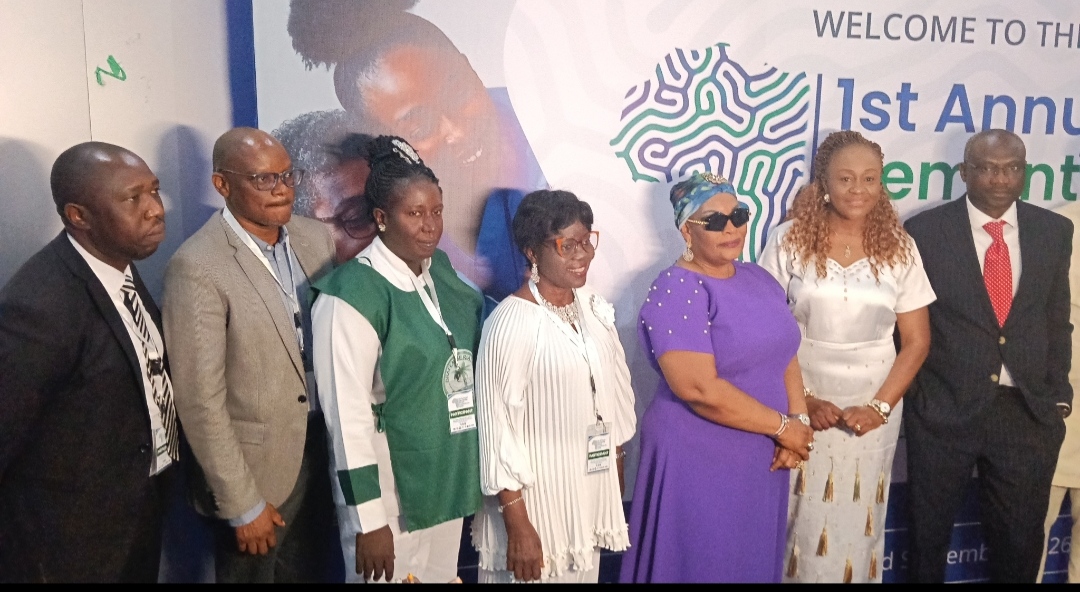
Dr Oma Iyoko, Chairperson of Dementia Africa, has called on African governments to give dementia greater priority within their public health systems, warning that the condition remains largely neglected across the continent.
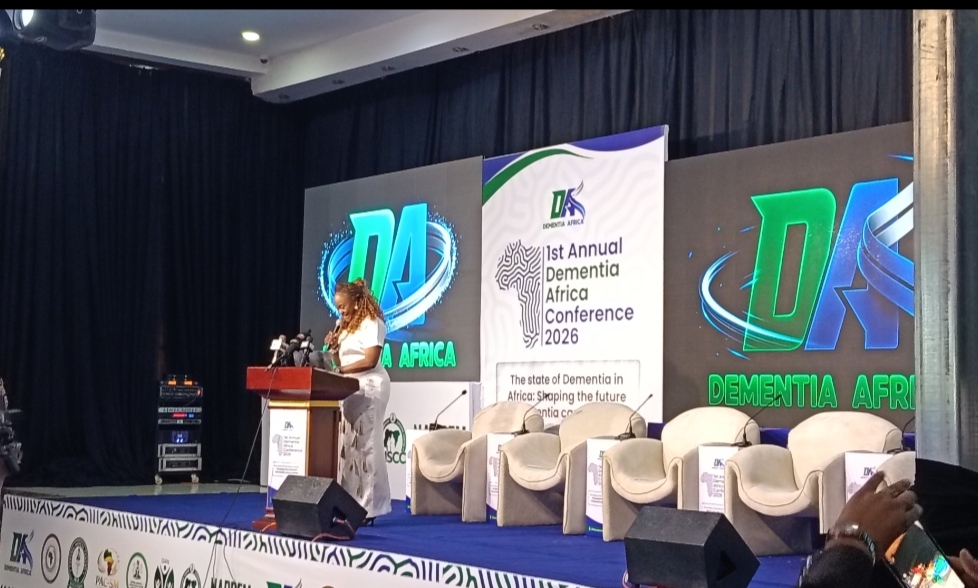
Iyoko made the call on Wednesday at the inaugural Dementia Africa Conference 2026 in Abuja, themed “The State of Dementia in Africa: Shaping the Future of Dementia Care in Africa.”
She said dementia had not received the level of attention accorded other major health conditions and urged governments to move it from the margins to the centre of health policy.
According to her, Africa needs coordinated systems for dementia care, research, public awareness, education and policymaking instead of fragmented interventions.
Iyoko identified stigma and widespread misconceptions as some of the major barriers to dementia care, noting that people living with the condition were sometimes accused of witchcraft, abused or driven from their communities.
She questioned why people with dementia should be treated differently from those living with conditions such as hypertension.
The Dementia Africa chairperson also expressed concern over the lack of reliable country-specific data on dementia, saying much of the information currently available is based on estimates.
She disclosed that Dementia Africa planned to establish an African Data Bank to bring together dementia-related research from across the continent and strengthen Africa’s contribution to global discussions on the condition.
Iyoko further highlighted the pressure on informal caregivers, particularly family members who often provide care without adequate training, resources or support.
She said the organisation’s “One Africa, One Dementia Network” initiative would promote the sharing of knowledge, expertise and resources among African countries.
Also speaking, Amb. Stephen Ben-Joel, Global President of the Pan-African AU Agenda 2063 Diplomatic Mission, called for increased investment in initiatives aimed at improving the wellbeing of older persons.
Ben-Joel said the mission would work to attract foreign direct investment and other funding to support programmes that promote the welfare and social inclusion of senior citizens.
He noted that many older people, including those without dementia, face social isolation and limited opportunities for meaningful engagement.
He advocated the development of purpose-built homes and organised activities to improve the quality of life of older persons.
Ben-Joel also pledged support for dementia research, stressing the need for Africa to generate its own primary data to better understand and tackle the condition.
The Grand Patron of Dementia Africa, Prof. Nelson Ochekpe, called for affordable and validated screening tools, as well as stronger local diagnostic and imaging capacity, to facilitate early detection of dementia.
Ochekpe urged African countries to develop dementia care models that reflect their cultural and economic realities rather than relying solely on systems designed in developed countries.
He also called for dementia services to be integrated into primary healthcare and for community health workers to play a greater role in supporting affected individuals and their families.
Ochekpe advocated stronger legal and human-rights protections to shield people living with dementia from neglect, abuse and exploitation, while encouraging the use of digital health and telemedicine to improve access to specialist services.
Meanwhile, the Director-General of the National Senior Citizens Centre, Mrs Medinat Akinyemi-Obe, described dementia as both a health and social challenge requiring stronger collaboration, research and policy action.
She said the NSCC would continue to collaborate with Dementia Africa and other stakeholders to promote early diagnosis, better care, caregiver support and protection of the rights of older persons.
Akinyemi-Obe said the Federal Government was strengthening existing facilities for older persons, adding that priority would be given to properly equipping and maintaining existing centres before establishing new ones.
Dr Obi Adigwe, National Coordinator of the National Health Technology and Data Analytics Office, stressed the need for greater investment in research, innovation and training to develop sustainable solutions to dementia in Africa.
He said the continent could not effectively address its dementia burden while depending largely on knowledge and research generated outside Africa.
The conference is aimed at strengthening dementia awareness, research, policy, education and care systems across the continent.