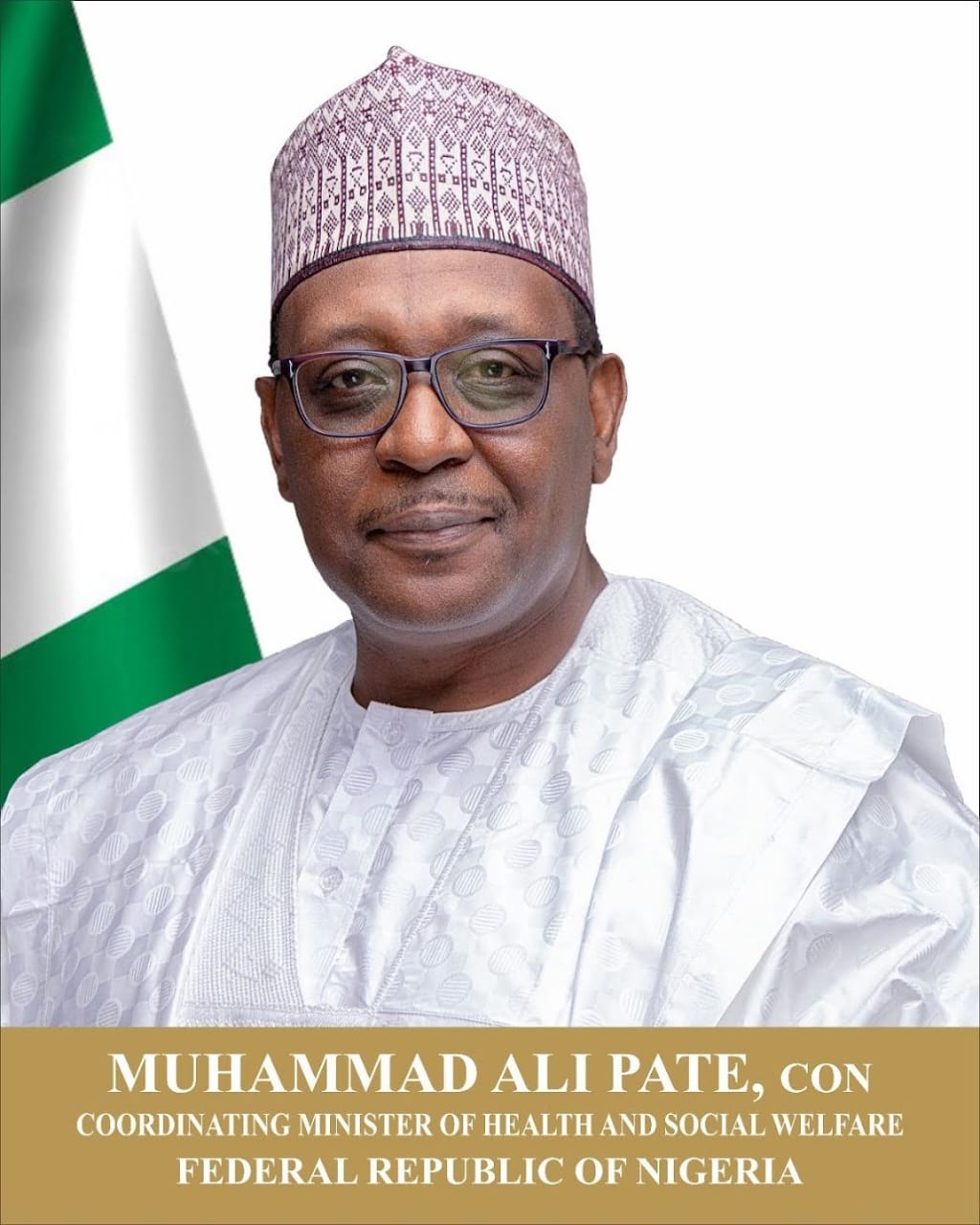
The Federal Government has defended its ongoing health sector reforms, saying it has recruited more than 37,000 health workers across federal health institutions since 2023 and trained over 70,000 frontline health workers to improve healthcare delivery nationwide.
In a statement issued on Friday by the Federal Ministry of Health and Social Welfare, the government acknowledged persistent challenges, including shortages of health workers, poor infrastructure, healthcare financing, migration of skilled professionals and limited access to quality care, but said these issues are being addressed through comprehensive reforms.
The ministry said the Federal Executive Council had approved the National Policy on Health Workforce Migration to strengthen workforce planning, improve staff retention and promote ethical recruitment. It added that the policy is supported by the National Health Workforce Registry and investments in specialist training.
According to the ministry, the revised Basic Health Care Provision Fund (BHCPF 2.0) has improved service delivery, accountability and financial protection, with ₦32.9 billion approved to support more than 8,300 primary healthcare centres. It noted that the programme is being expanded to about 13,000 facilities nationwide.
The ministry said the reforms have contributed to over 80 million patient visits, while more than 21 million vulnerable Nigerians have accessed healthcare through the Vulnerable Groups Health Insurance Fund. It also noted that disease surveillance and outbreak preparedness have been strengthened through the Nigeria Centre for Disease Control and Prevention gateway under the BHCPF.
On access to medicines, the government said it is expanding local pharmaceutical production through the Presidential Initiative to Unlock the Healthcare Value Chain to improve medicine security and make essential drugs more affordable.
The ministry added that investments are also being made in health infrastructure, maternal and newborn healthcare, emergency preparedness, digital health systems and sector-wide accountability.
It disclosed that 84 per cent of the key performance indicators under the Presidential Health Sector Renewal Compact had been achieved as of the 2025 Joint Annual Review.
While acknowledging that significant challenges remain, the ministry maintained that lasting reforms require sustained implementation and measurable results, reaffirming the government’s commitment to building a stronger, more equitable and resilient healthcare system for all Nigerians.