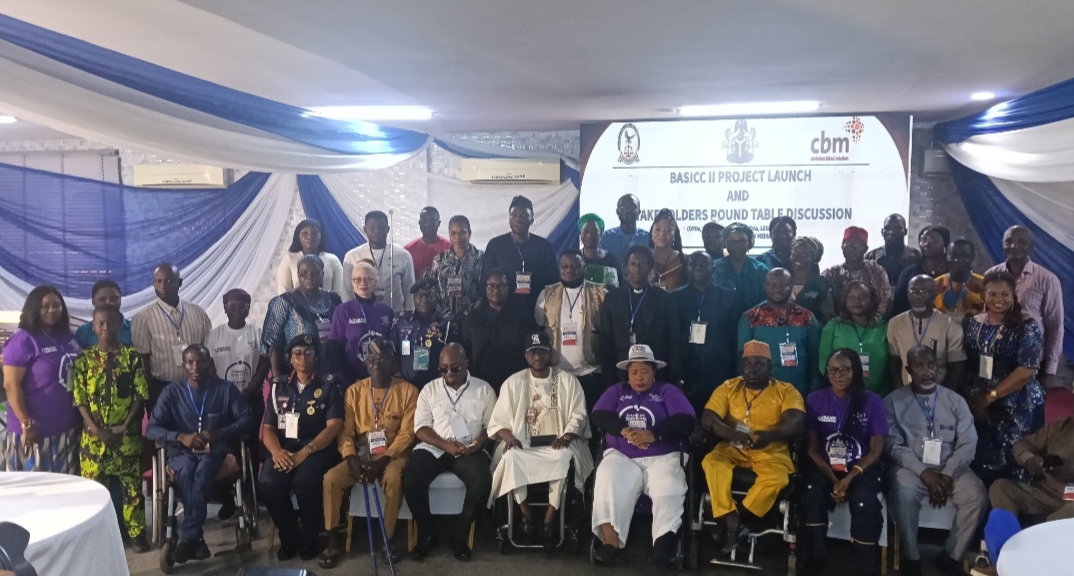
The Justice, Development and Peace Caritas Initiative (JDPCI), Abuja, has launched a new project aimed at strengthening disability rights, inclusion and access to opportunities for persons with disabilities across North-Central Nigeria.
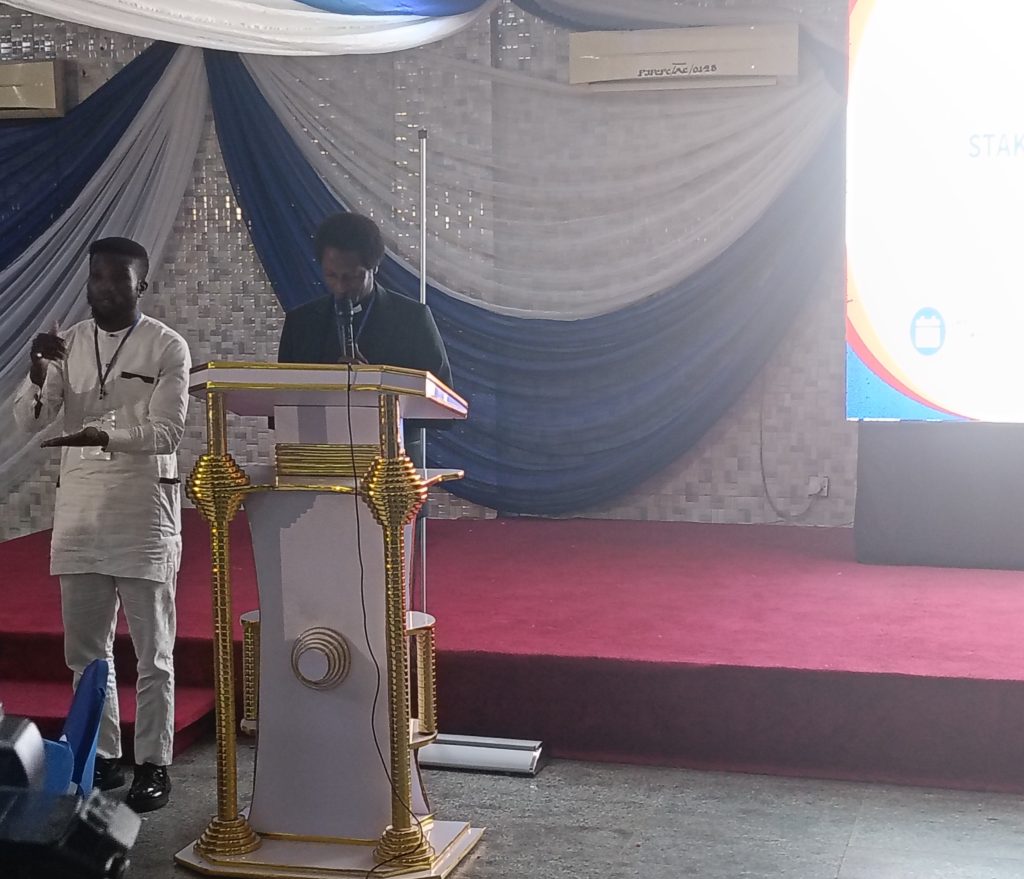
The initiative, titled “Bold Action for Advancing Disability Rights and Inclusive Development in North-Central Nigeria,” is being implemented with the support of Christian Blind Mission (CBM) International.
The project focuses on strengthening disability-inclusive systems, improving access to essential services and promoting the meaningful participation of persons with disabilities in community affairs and decision-making.
The initiative covers the Federal Capital Territory, Plateau State and other areas within the North-Central region, with stakeholders at the launch calling for stronger collaboration to remove barriers that continue to limit the participation of persons with disabilities in society.
Speaking at the event, JDPCI said the initiative represents more than the launch of another development programme, describing it as a renewed commitment to dignity, equity, justice and the full inclusion of persons with disabilities.
The organisation stressed that persons with disabilities must not be treated merely as beneficiaries of development programmes but as equal participants and contributors to the development process.
It identified barriers in education, healthcare, employment, livelihoods, information, political participation, public infrastructure and other essential services as some of the challenges that must be addressed to achieve meaningful inclusion.
JDPCI called for stronger implementation of disability-inclusive policies by government institutions and urged organisations of persons with disabilities to continue providing leadership and ensuring that their lived experiences inform policies and programmes.
The organisation also appealed to ministries, departments and agencies, civil society groups, traditional and community leaders, religious institutions, development partners, the private sector and organisations of persons with disabilities to strengthen collaboration and joint action.
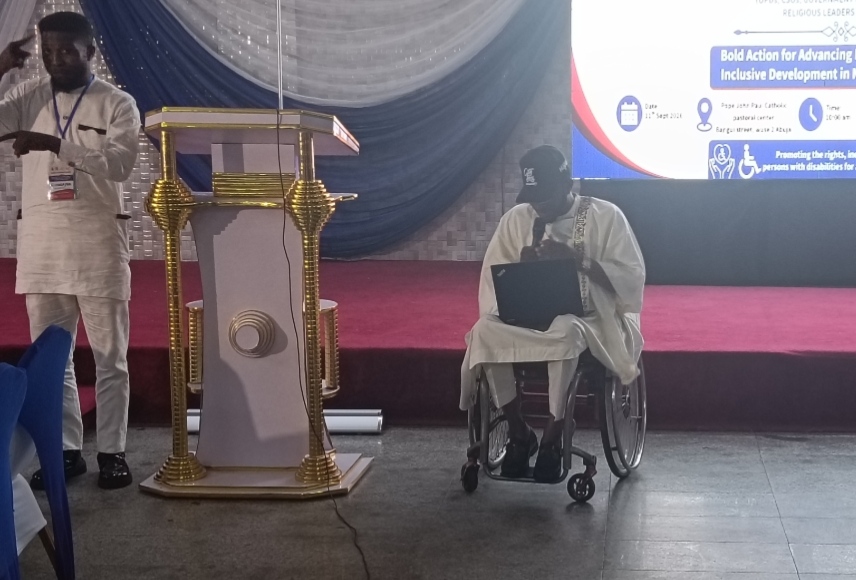
Presidency Seeks Stronger Disability Inclusion
The Presidency has called for increased collaboration among government institutions, development partners, faith-based organisations, civil society groups and the media to promote equal opportunities for persons with disabilities.
The Senior Special Assistant to the President on Special Needs and Equal Opportunity, who represented President Bola Ahmed Tinubu at the event, said persons with disabilities should be recognised as citizens, partners and contributors to national development.
The presidential aide called for the removal of physical, institutional, attitudinal, communication and economic barriers affecting persons with disabilities.
Government and development partners were also urged to mainstream disability concerns into policies, programmes and budgets covering infrastructure, education, healthcare, employment, social protection, technology and transportation.
The Presidency further highlighted the role of faith-based and traditional institutions in promoting dignity, acceptance and social inclusion, while urging the media to amplify the voices of persons with disabilities and raise public awareness about their rights.
It reaffirmed the administration’s commitment to expanding access to education, skills acquisition, entrepreneurship, employment, technology, political participation and leadership opportunities for persons with disabilities under the Renewed Hope Agenda.
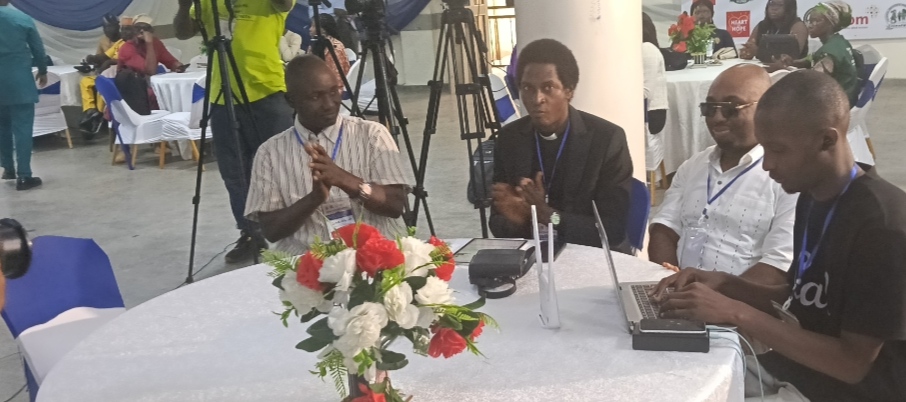
CBM Calls for Stronger Disability-Inclusive Policies
CBM International also called for greater integration of disability inclusion into government policies and programmes, particularly in the FCT.
Representing the organisation, Emmanuel Abba said disability inclusion remains a key component of CBM’s programmes, with the latest intervention specifically focused on strengthening support for persons with disabilities.
He said the project covers the FCT, Plateau and other participating states, while CBM continues to support additional disability-inclusive initiatives in the country.
Abba urged participants at the stakeholder roundtable to use the platform to identify gaps affecting disability inclusion, particularly in the areas of legislation, implementation and enforcement.
He expressed optimism that the discussions would generate practical recommendations capable of improving services and support for the disability community.
NSCDC Pledges Enforcement Support
The Nigeria Security and Civil Defence Corps (NSCDC) has pledged to support the enforcement of the Discrimination Against Persons with Disabilities (Prohibition) Act 2018.
Representing the Corps at the launch, an NSCDC official said the agency was prepared to collaborate with disability-focused organisations, civil society groups and other stakeholders to protect the rights of persons with disabilities.
He disclosed that the Corps has designated desk officers and specialised units to receive complaints relating to discrimination, abuse and other violations against persons with disabilities, including in the FCT.
According to him, the FCT Commandant, Dr. Olusegun Ojo, also serves as a desk officer on disability-related matters.
The official added that about 100 NSCDC personnel had received sign-language training to improve communication with persons with hearing impairments and strengthen intelligence gathering.
He assured stakeholders that the Corps would continue working with the National Commission for Persons with Disabilities, civil society organisations and other partners to ensure that complaints and alleged violations are properly addressed.
Stakeholders Seek Sustainable Action
Stakeholders at the launch agreed that achieving meaningful disability inclusion would require sustained action rather than isolated programmes.
JDPCI said the success of the project would not be measured solely by the number of activities conducted or beneficiaries reached, but by lasting improvements in attitudes, policies, systems, practices and opportunities for persons with disabilities.
The organisation commended CBM International for its continued partnership, saying its support had contributed to institutional strengthening, capacity building, community empowerment and the promotion of the rights and dignity of persons with disabilities.
JDPCI also acknowledged CBM’s three-day inception meeting and capacity-building programme organised for its personnel ahead of the project launch.
The organisation conveyed the appreciation of the Catholic Archdiocese of Abuja to CBM International for supporting the social mission of the Church through JDPCI.
It said the Archdiocese, under the leadership of Archbishop Ignatius Ayau Kaigama, remained committed to supporting vulnerable, marginalised and excluded groups and promoting the dignity of every human being.
The launch concluded with a call for stronger partnerships, knowledge sharing and coordinated action to create communities where persons with disabilities are not merely recipients of development interventions but active participants and contributors to development.
Stakeholders described the initiative as a platform for collective action and sustainable change anchored on human dignity, social justice, participation, equity and the common good.