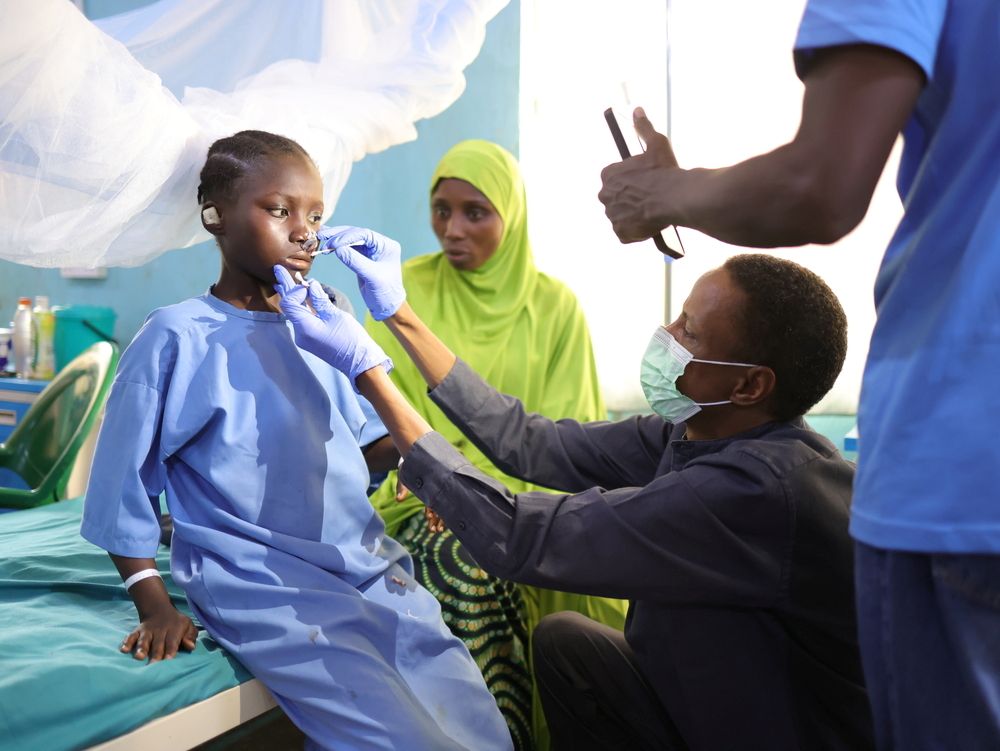
The international medical humanitarian organisation, Médecins Sans Frontières (MSF), has called for urgent and coordinated action to prevent and treat noma in Nigeria, warning that the disease continues to claim the lives of children despite being preventable and treatable.
In a statement issued on Wednesday in Sokoto, MSF said noma remains largely absent from routine healthcare and child health programmes in Nigeria, even though the World Health Organisation (WHO) recognised it as a Neglected Tropical Disease in 2023.
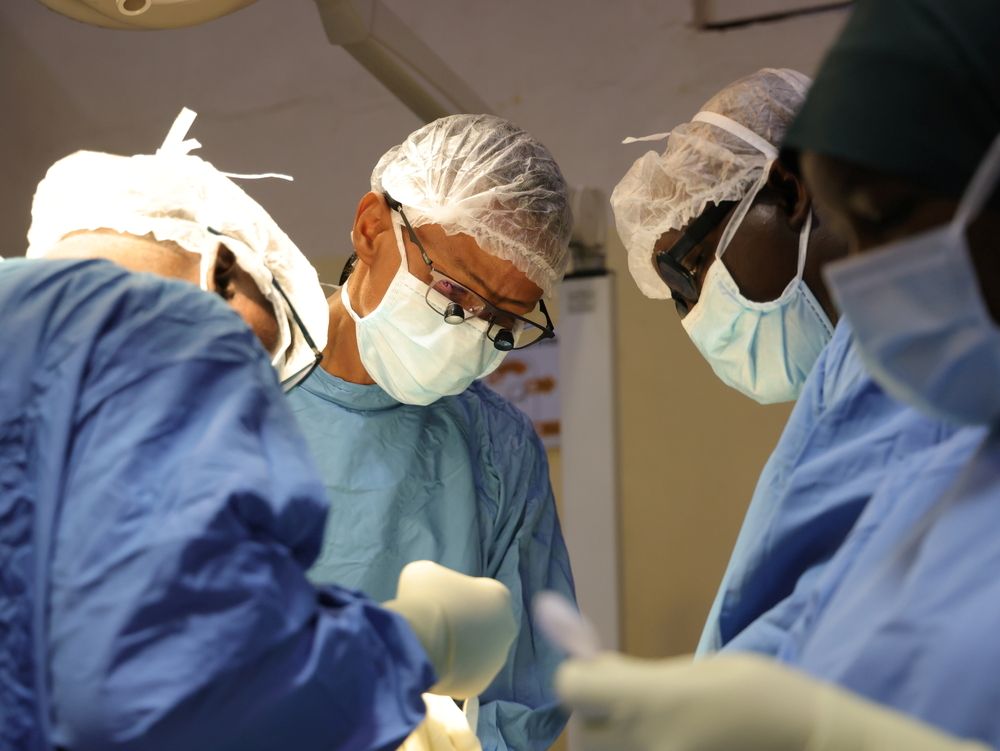
Noma is a rapidly progressing, non-contagious disease that destroys facial tissues and bones, primarily affecting children under the age of seven living in extreme poverty. The disease is closely linked to malnutrition, poor oral hygiene, low immunisation coverage, recurrent infections, and limited access to healthcare.
MSF Medical Team Leader for Sokoto, Florencia Maghanga, said early detection is critical, noting that noma can be effectively treated with antibiotics, wound care, nutritional support, and treatment of underlying illnesses. However, she warned that if left untreated, the disease has a mortality rate of between 70 and 90 per cent.
The organisation said many survivors who reach specialist facilities often require complex reconstructive surgery after suffering severe facial disfigurement that affects their ability to eat, speak, and breathe. Survivors also face long-term psychological trauma, social stigma, exclusion, and economic hardship.
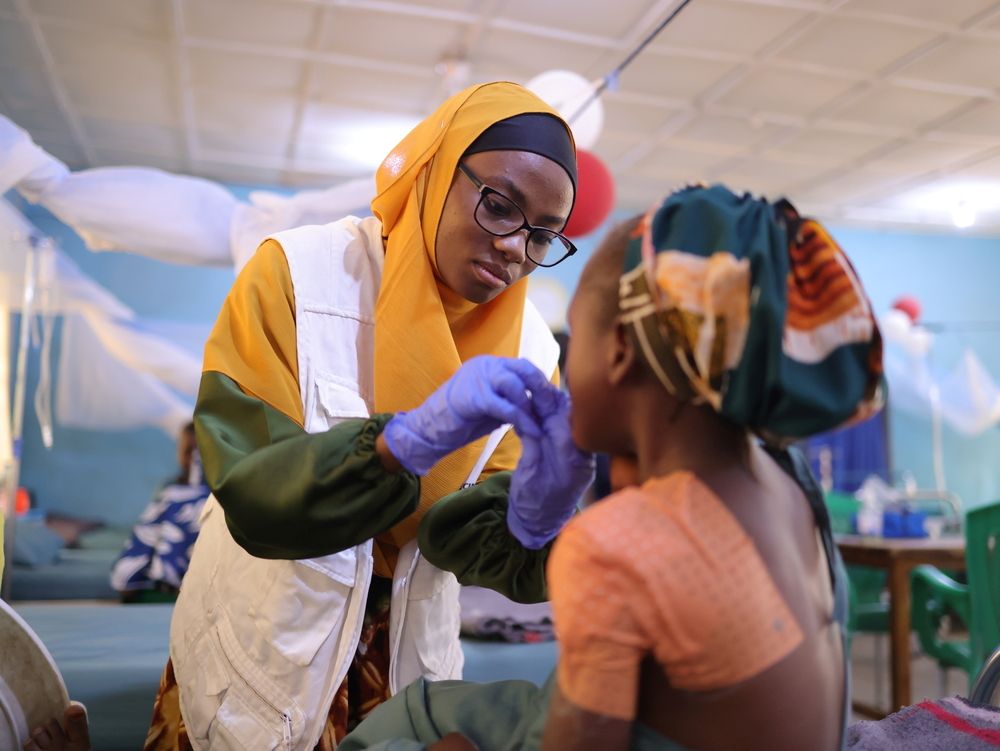
Since 2014, MSF has supported the Nigerian Ministry of Health’s Noma Children Hospital in Sokoto, one of the few specialised noma treatment centres in the world. Between 2014 and 2025, the organisation carried out 1,645 reconstructive surgeries for 1,078 patients. In 2025 alone, 1,034 patients received comprehensive care, including reconstructive surgery, nutritional support, physiotherapy, and psychosocial services.
MSF also disclosed that during its first surgical intervention of 2026, held between April 17 and May 1, a total of 55 reconstructive surgeries were successfully performed on noma patients.
The organisation expressed concern over the low level of awareness among healthcare workers, saying many patients are misdiagnosed or referred late after seeking treatment at several health facilities, allowing the disease to progress to advanced stages.
MSF urged the Nigerian government and health authorities to integrate noma prevention, early detection, treatment, and surveillance into primary healthcare and national child health programmes. It also called for improved training of frontline health workers, stronger referral systems, greater community awareness, and increased access to essential medicines and nutritional support.
According to Maghanga, no child should suffer or die from a disease that can be prevented and treated when identified early.