
The Nigerian Communications Commission (NCC) and the Rural Electrification Agency (REA) have reaffirmed their commitment to expanding digital connectivity in rural communities through a strategic partnership that integrates electricity infrastructure with telecommunications services.
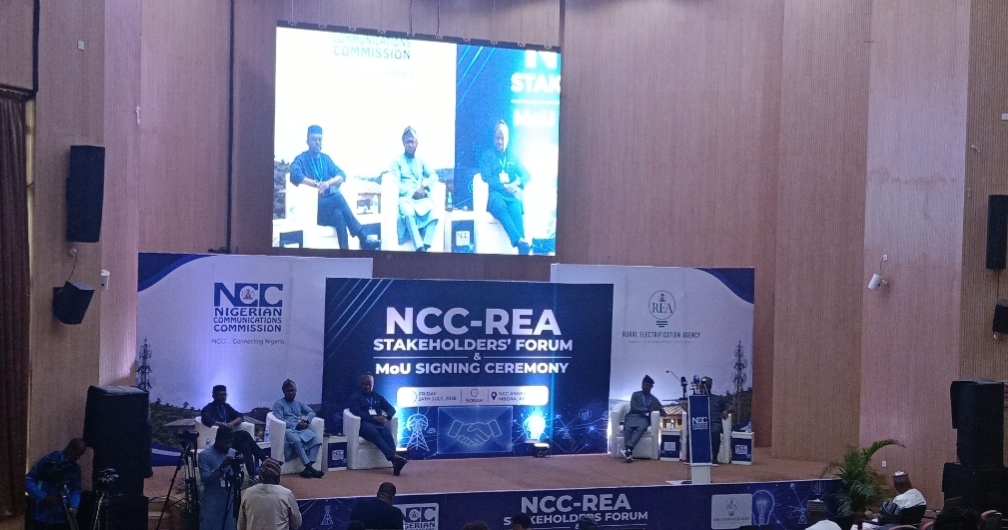
Speaking after the signing of a Memorandum of Understanding (MoU) in Abuja, the Executive Commissioner, Technical Services at the NCC, Engr. Abraham Oshadami, described the collaboration as a major step toward strengthening Nigeria’s digital economy.
He explained that electricity and telecommunications are interdependent, noting that mobile base stations require stable power to function, while consumers also need electricity to keep their devices connected. According to him, the partnership will enable both agencies to maximise existing mini-grid infrastructure to power telecom base stations, particularly in underserved communities.
Oshadami said the agreement would allow telecom operators to tap into nearby mini-grids where the national electricity grid is unavailable, ensuring uninterrupted network services and improved access to digital opportunities for rural residents. He added that the benefits of the partnership would begin immediately, as existing mini-grids located close to telecom sites could already be utilised.
Also speaking, the Executive Director of Technical Services at the REA, Engr. Umar Umar, said the MoU establishes a formal framework for collaboration between the two agencies, ending years of operating independently despite pursuing complementary goals.
He explained that the partnership would rely on data sharing, mapping of telecom and power infrastructure, and the establishment of an NCC-REA Collaboration Committee to identify priority locations for deployment.
According to Umar, the initiative will prioritise telecom towers currently dependent on diesel generators by transitioning them to cleaner and more affordable energy supplied through mini-grids. He said the move would lower operational costs, improve network reliability and accelerate digital inclusion across Nigeria.
The officials expressed confidence that the collaboration would support the Federal Government’s drive to expand broadband access, promote clean energy solutions and strengthen the country’s digital economy through improved rural connectivity.