The Nigerian Communications Commission (NCC) has unveiled a framework for the implementation of its Zero-Rated Access to Educational Platforms and Content Initiative, aimed at reducing the cost of internet access and expanding digital learning opportunities for Nigerian students.
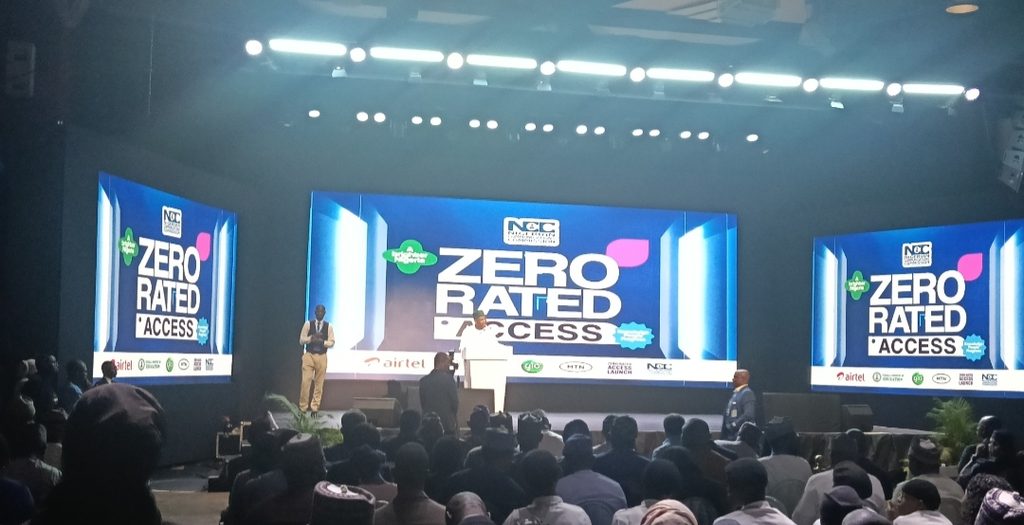
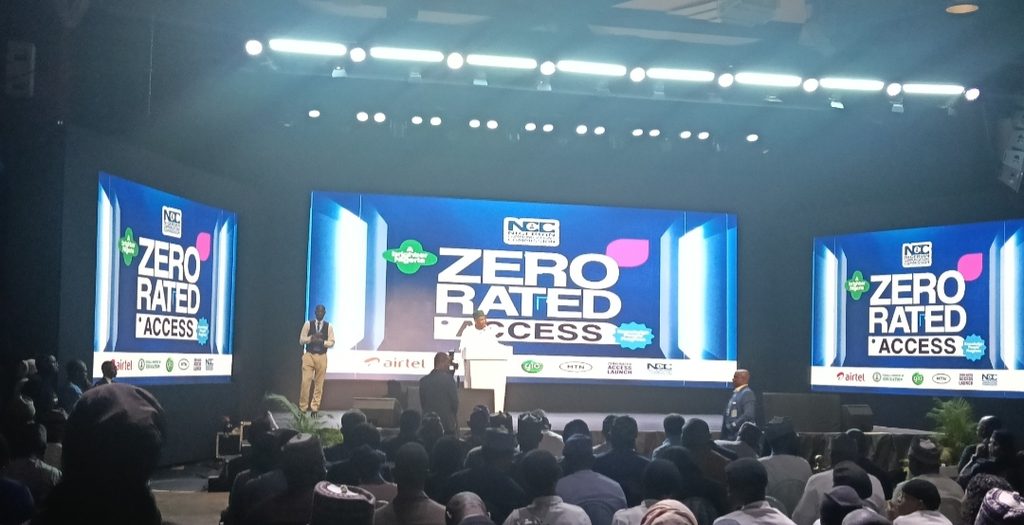
The framework was unveiled on Thursday at the official launch of the initiative held at the Transcorp Hilton Hotel, Abuja.
Speaking at the event, the NCC Executive Commissioner, Technical Services, Abraham Oshadami, described the programme as a major step towards strengthening digital education and promoting equal access to learning resources across the country.
He said the initiative was developed through collaboration among the NCC, the Federal Ministry of Communications, Innovation and Digital Economy, the Federal Ministry of Education, telecommunications operators, education technology companies and other industry stakeholders.
Under the framework, approved educational platforms will be granted free, capped data allowances to enable learners access digital learning resources without paying for the data used on the platforms.
The approved platforms include learning management systems, digital libraries, educational repositories, teacher development platforms, as well as technical and vocational education and training platforms.
For the initial rollout, participating mobile network operators will provide 100 megabytes of daily zero-rated data for access to approved educational websites and platforms. The allowance, according to the NCC, will be reviewed as implementation progresses.
Oshadami said the commitment of telecommunications operators to providing free data access would be critical to the success of the programme.
He commended the Minister of Communications, Innovation and Digital Economy, Bosun Tijani, and the Minister of Education, Dr. Tunji Alausa, as well as the NCC Governing Board and industry stakeholders, including the Association of Licensed Telecommunications Operators of Nigeria (ALTON), MTN Nigeria, Airtel Nigeria and Globacom, for their support.

The NCC said some educational platforms had already been assessed and approved for participation, while additional platforms would be considered for inclusion.
The framework also provides safeguards covering cybersecurity, consumer and child protection, data protection, net neutrality and fair competition.
The Commission said it would monitor platform availability, usage, data consumption, consumer complaints, network performance and regulatory compliance to determine the programme’s impact.
Findings from the monitoring exercise will guide future adjustments, expansion and possible nationwide scaling of the initiative.
FG: Zero-Rating Will Remove Major Barrier to Digital Learning
The Minister of Education, Dr. Tunji Alausa, said the initiative would address the high cost of internet data, which remains a major barrier preventing many Nigerian learners from fully benefiting from digital education.
Alausa described the programme as both an education and digital inclusion intervention, saying it aligns with the Federal Government’s Renewed Hope Agenda and its efforts to transform the education sector through digitalisation.
He said the initial phase would focus on learners at the senior secondary and tertiary levels before being expanded to other categories.

According to the minister, government investments in education data and digital infrastructure, including the Nigeria Education Data Infrastructure (NEDI) and Digital Nigeria Education Management Information System (DNEMIS), would have limited impact if students could not afford internet data.
He said zero-rated access could transform mobile phones, tablets and computers into classrooms, libraries and gateways to educational opportunities.
Alausa, however, stressed that affordability must be matched with quality, insisting that only credible, safe, appropriate and curriculum-aligned educational platforms should be approved.
He also called for greater interoperability among digital education platforms and stronger collaboration among government agencies, state governments, telecommunications operators, technology companies, development partners, teachers and educational institutions.
The minister emphasised the need to ensure that learners in rural communities have access to quality digital learning resources comparable to those available in major cities.
He further called for greater attention to girls facing barriers to regular classroom attendance and learners living with disabilities.
Alausa said the success of the initiative would ultimately be measured by utilisation, quality of engagement and its impact on learning outcomes.
He reaffirmed the Federal Government’s commitment to ensuring that geography and poverty do not determine a child’s access to quality education.
The minister congratulated the NCC and its partners, describing the initiative as an important step towards building a more inclusive and accessible digital education system in Nigeria.