
Nigeria has commenced the final stage of reviewing its National Blood Policy, originally developed in 2005, in a move aimed at addressing persistent blood shortages and aligning the country’s blood transfusion system with current realities, legislation and international standards.
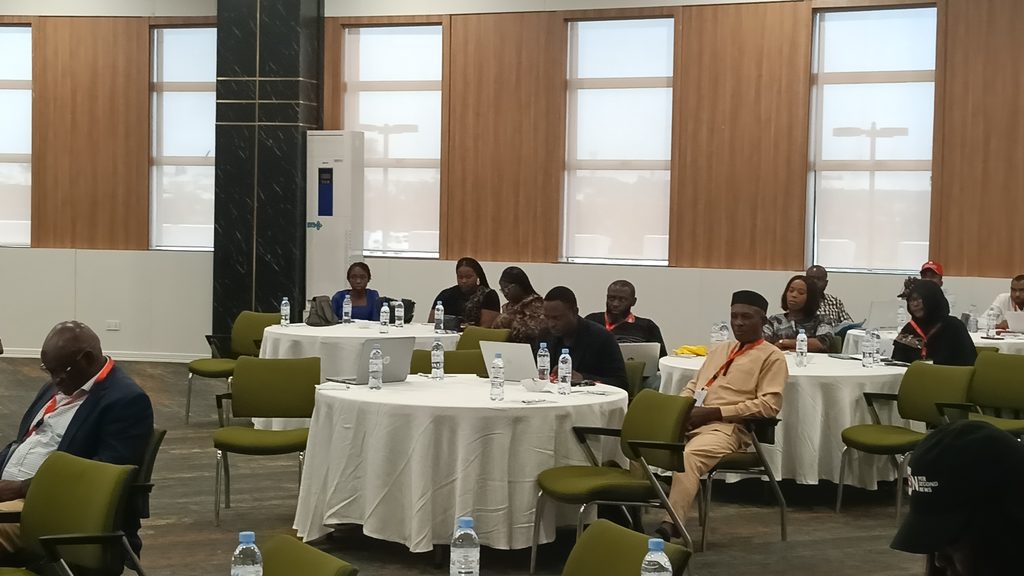
Speaking during a policy validation workshop, the Director-General of the National Blood Service Commission, Professor Saleh Yuguda, said the existing policy had become outdated following major developments in the health sector, including the enactment of the National Health Act in 2014 and the establishment of the National Blood Service Commission in 2021.
Yuguda identified inadequate mechanisms for blood donor mobilisation and retention, poor coordination among blood establishments, weak data systems and the absence of comprehensive blood traceability and haemovigilance mechanisms as some of the major shortcomings of the old policy.
He said the revised policy would establish a more integrated national blood management system covering both public and private blood establishments.
Under the proposed framework, blood would be traceable from donation through processing, storage and eventual transfusion to the recipient.
The policy is also expected to strengthen haemovigilance by enabling authorities to monitor the safety of donors and recipients and identify adverse events associated with blood transfusion, in line with World Health Organisation recommendations.
According to the DG, the review process, which began about a year ago, has involved key stakeholders, including the Federal Ministry of Health, NAFDAC, the Medical Laboratory Science Council of Nigeria, development partners, the WHO, the Red Cross and representatives of federal tertiary hospitals.
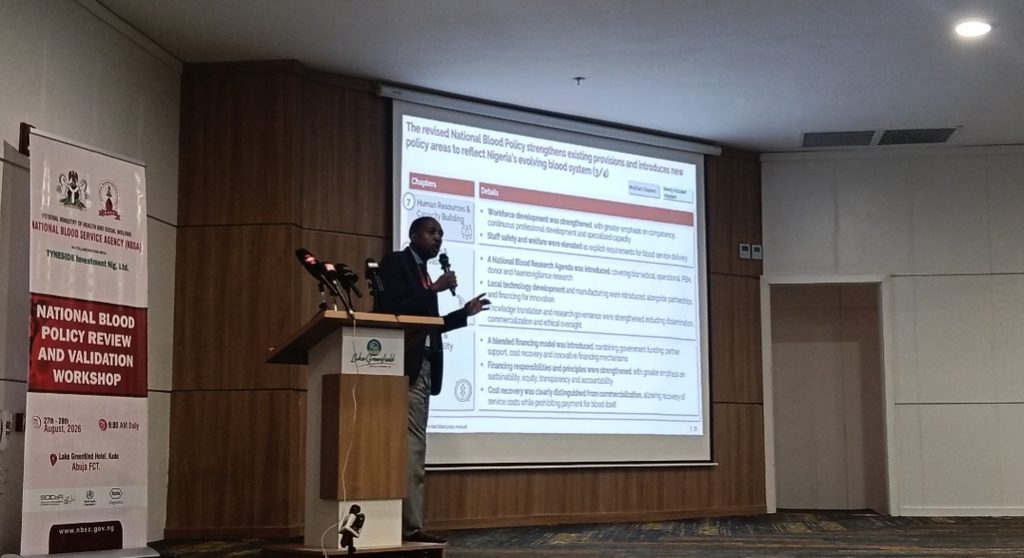
He said the revised document would be forwarded to the Minister of Health for final validation and approval before becoming operational.
The review comes against the backdrop of Nigeria’s persistent blood shortage. Yuguda said the country currently meets only about 30 per cent of its estimated national blood demand, leaving a significant gap in supply.
To bridge the deficit, the revised policy places greater emphasis on voluntary blood donation, donor mobilisation and retention, including nationwide community-based blood donation drives and public awareness campaigns.
The revised framework is also expected to strengthen governance, human-resource development, blood collection and processing standards, quality assurance, emergency blood services, financing, research, accountability, monitoring and evaluation, as well as digital data management.
The policy review team said the proposed framework would promote equitable access to safe and quality blood and blood products across the country.
Stakeholders at the workshop called for the policy’s commitments to be translated into practical, measurable and sustainable actions capable of strengthening Nigeria’s blood service system and saving lives.
The World Health Organisation reaffirmed its commitment to supporting Nigeria in strengthening its health system and ensuring that citizens, particularly vulnerable populations, have access to safe, equitable and quality healthcare services.