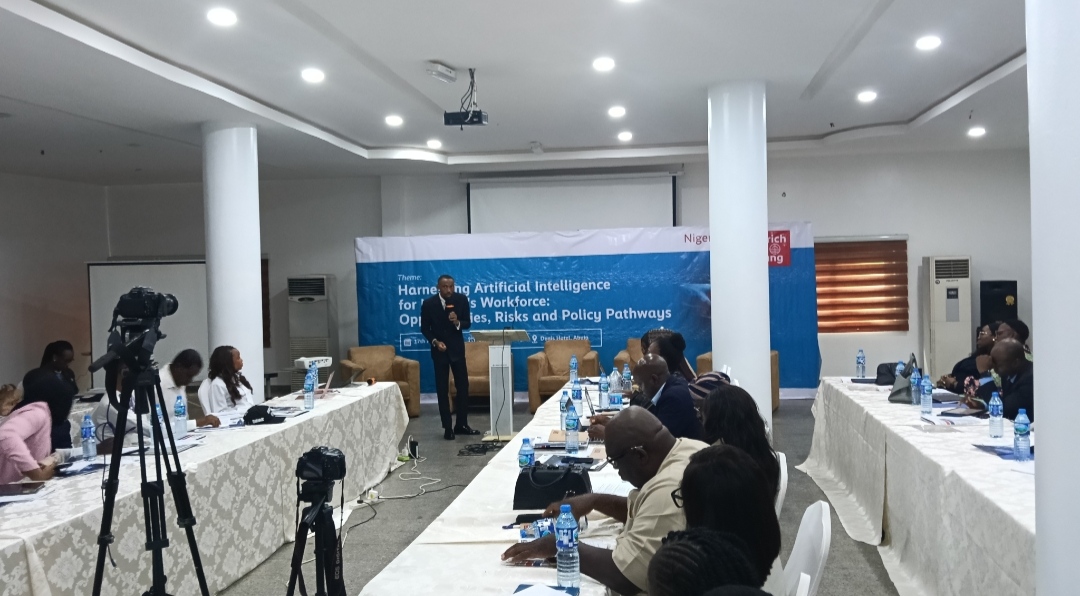
The co-founder and Chief Research Officer of Truva Intelligence, a Nigeria-based data intelligence research company, has identified inadequate infrastructure as one of the major factors limiting the widespread and equitable adoption of artificial intelligence (AI) in Nigeria.
Speaking at a policy convening, the researcher, who also served as the lead author and presenter of a policy brief on how Nigeria can maximise AI opportunities while managing risks to the workforce, said the issue was not whether Nigeria would adopt AI, but how the country could ensure that its benefits were broadly distributed.
He noted that the banking and financial sector currently ranks among the leading sectors in AI adoption, with digital lenders increasingly using AI models for credit assessments and appraisals. However, he warned that the use of algorithms in lending could deepen existing inequalities if adequate safeguards against algorithmic bias were not established.
According to data cited by the researcher, only about six per cent of Nigerian depositors have access to any form of credit or loans, highlighting the country’s existing challenges with credit access.
He said the potential risks of AI-driven lending must therefore be considered against the backdrop of an already unequal financial system, warning that vulnerable and marginalised groups could face greater difficulties accessing credit if automated decision-making systems were not designed and monitored for fairness.
The researcher also cited AI applications in other sectors, including security and education, noting that AI-powered technologies are increasingly being deployed in Nigeria and across Africa.
However, he stressed that AI adoption remains highly uneven, largely because of infrastructure limitations.
Drawing comparisons with previous technologies, including electricity, rail transportation, mechanised agriculture and other technological innovations, he argued that Nigeria’s inability to achieve mass adoption has often been linked to inadequate infrastructure.
He identified three critical infrastructure backbones required for AI to thrive in Nigeria: reliable electricity, adequate data centres and a strong regulatory framework.
“Without electricity, how do you want to engineer AI technologies?” he asked, stressing that dependable power supply remains fundamental to the development and deployment of AI systems.
He also pointed to the limited number of data centres in the country, saying Nigeria has about 28 colocation data centres, which he described as an important component of the infrastructure required to support AI development.
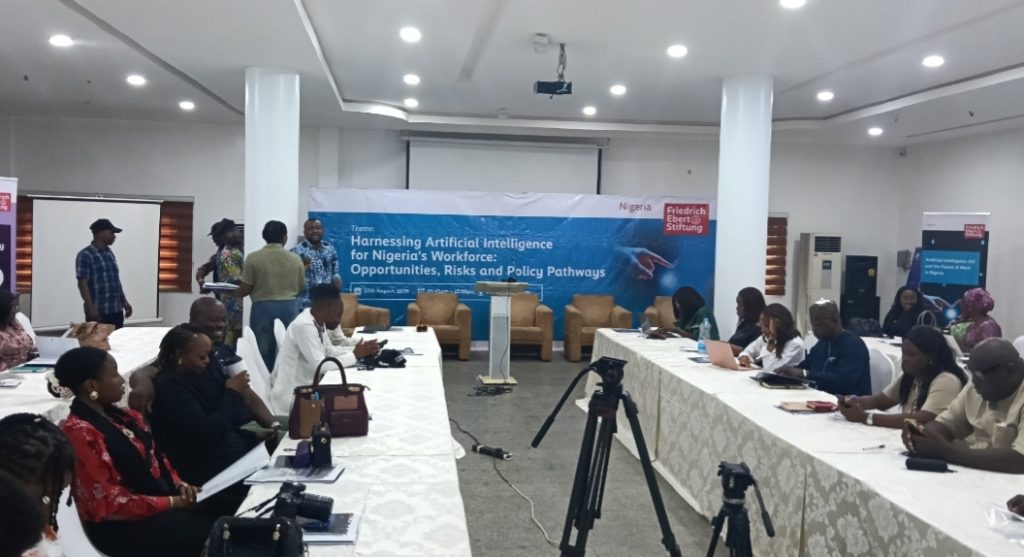
On regulation, the researcher said Nigeria was among the leading African countries in establishing an AI governance framework, noting that the country already has a National Artificial Intelligence Strategy.
He, however, called for the strategy to be translated into a comprehensive legal framework capable of regulating AI deployment and protecting vulnerable populations from potential harms associated with the technology.

He said Nigeria must move beyond developing policy documents to establishing enforceable laws and safeguards that would promote responsible AI adoption, protect citizens and ensure that technological advancement does not further widen existing social and economic inequalities.