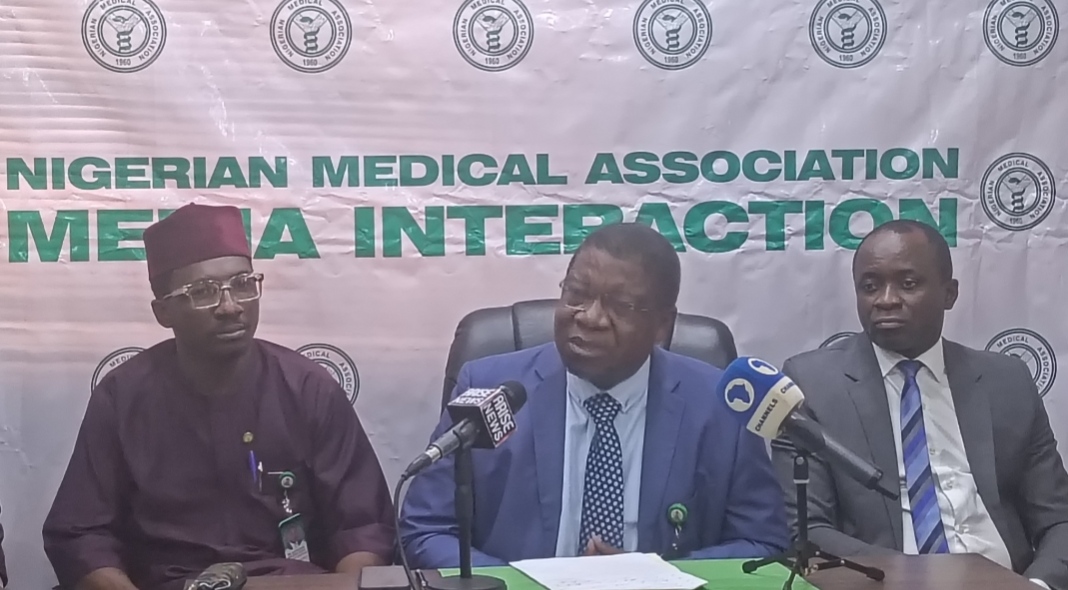
The Nigerian Medical Association (NMA) has called on the Federal Government to urgently address the welfare and working conditions of healthcare professionals, warning that continued neglect could worsen the migration of doctors and other health workers from the country.
The association made the call at a press conference in Abuja following the conclusion of its National Executive Council meeting, held from August 24 to 28, 2026, at Barcelona Hotel, Wuse 2.
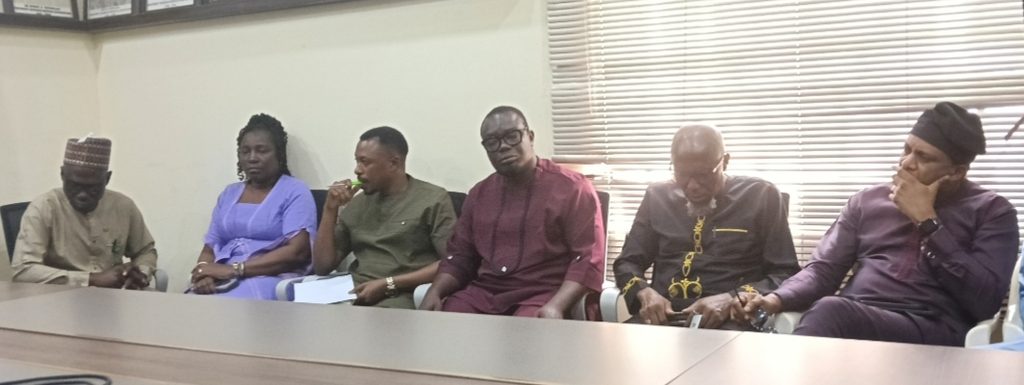
The NMA’s National Executive Council, its highest policy-making body, comprises representatives of medical doctors from the 36 states and the Federal Capital Territory.
The association said the meeting reviewed major developments affecting Nigeria’s health sector, including healthcare infrastructure, workers’ welfare, insecurity, migration of health professionals, drug and substance abuse, poor road infrastructure and access to healthcare.
While commending the Federal Government for its ongoing investments in healthcare infrastructure and efforts to expand access to medical services, the NMA stressed that infrastructure alone could not guarantee an effective health system without a motivated, adequately protected and properly remunerated workforce.
The association urged the government to urgently conclude, approve, sign and implement the outstanding Collective Bargaining Agreement with doctors and other health workers.
According to the NMA, delays in addressing workers’ legitimate demands have contributed to dissatisfaction within the health workforce and encouraged the migration of medical professionals abroad.
It called for the agreement to be implemented in time for its provisions to be captured in the 2027 budget, warning that failure to do so could trigger further disruptions in healthcare services.
The association also demanded tax relief for doctors and other healthcare professionals, arguing that they provide essential services under difficult and sometimes hazardous conditions.
It particularly called for protection for doctors in private hospitals against multiple taxation and high electricity tariffs, noting that excessive operating costs could ultimately be passed on to patients.
On drug and substance abuse, the NMA described the growing prevalence among Nigerian youths as a public health emergency.
It urged the Federal Government to make drug and substance abuse a national public health priority while strengthening prevention, public awareness, regulation of harmful substances and access to mental health and addiction treatment services.
The association further advocated greater collaboration among government agencies responsible for health, education, youth development, security and social welfare to tackle the problem.
The NMA also expressed concern over the poor condition of roads across the country, noting that bad roads delay emergency medical care, hinder referrals, disrupt the transportation of medicines and supplies, and make it difficult for health workers to reach underserved communities.
It therefore called for the rehabilitation, construction and maintenance of roads leading to healthcare facilities, particularly in rural and underserved areas.
On the retirement age of clinical health workers, the association urged the Federal Government to implement the 65-year retirement age without unnecessary restrictions.
The NMA said retaining experienced clinicians was particularly important at a time when Nigeria was facing a shortage of skilled healthcare professionals due to migration and other factors.
The association also raised alarm over increasing cases of killings, kidnapping, banditry and terrorism, particularly attacks targeting healthcare workers.
It called for stronger security around healthcare facilities and personnel and appealed for the safe release of a medical doctor from Niger State who, according to the association, has been in captivity for about four months.
The NMA said Nigeria’s growing brain drain was being driven by difficult working conditions, insecurity, inadequate remuneration, limited career opportunities and other systemic challenges.
It therefore urged the government to match investments in healthcare infrastructure with corresponding investments in human resources.
Among other demands, the association called for the universal application of salaries, wages and income for doctors across ministries, departments and agencies, regardless of whether they work for federal, state or local governments or universities.
It also demanded stronger measures to retain and motivate healthcare professionals, expanded mental health and addiction services, improved security for healthcare workers and facilities, and intensified efforts to rescue abducted health workers and other Nigerians.
The NMA maintained that healthcare was closely linked to security, economic stability and national development, stressing that Nigeria could not build a healthy nation without addressing insecurity, poor infrastructure, workforce welfare and substance abuse.
The association reaffirmed its commitment to constructive engagement with the Federal Government and other stakeholders in efforts to strengthen Nigeria’s healthcare system.