
Stakeholders in Nigeria’s public finance sector have called for stronger institutional and accountability mechanisms to ensure that approved budgets translate into tangible services for citizens.
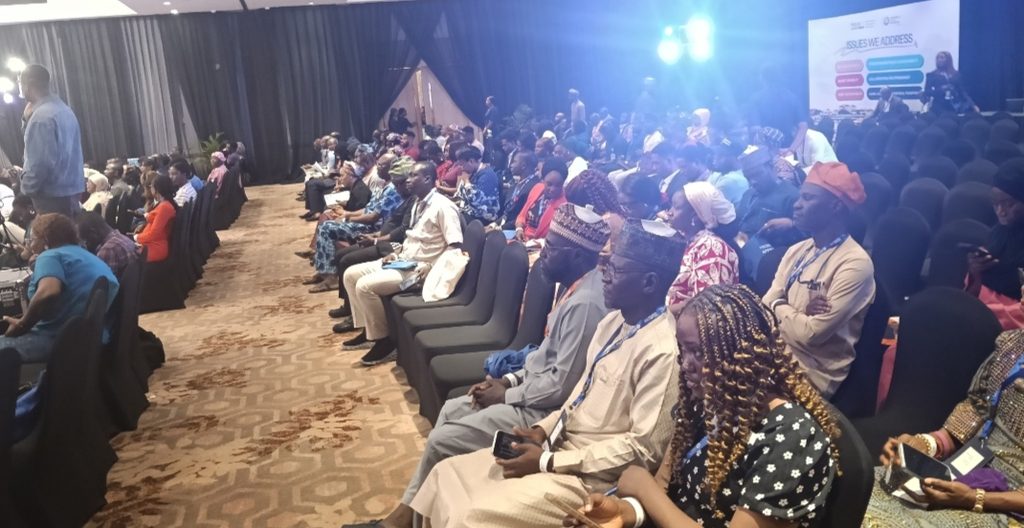
They made the call at the opening of the PULSE Summit 2026 in Abuja on Thursday, themed, “From Approved Budgets to the Last Mile: Examining Budget Implementation in Nigeria.”
The Minister of Finance and Coordinating Minister of the Economy, Taiwo Oyedele, said Nigeria must move beyond budget approval to ensuring effective implementation and delivery.
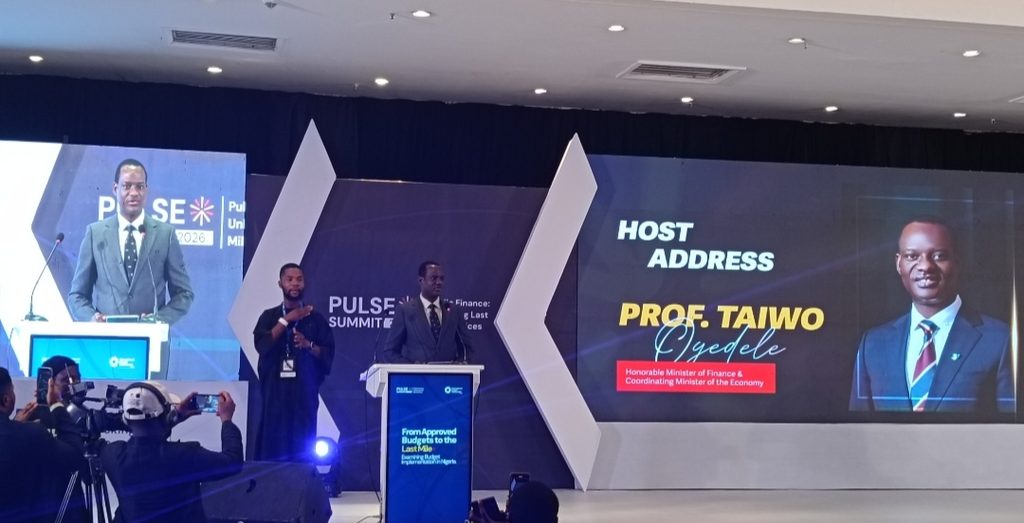
Oyedele described the gap between an approved budget and an implemented budget as one of the most critical issues in public finance.
He said an approved budget remained merely a document until its provisions translated into functional healthcare centres, quality education, clean water and other essential services for citizens.
The minister acknowledged progress in budget preparation, classification and open-data practices, but said greater attention was needed to ensure that public funds reached citizens and produced measurable outcomes.
He stressed that releasing resources alone was not enough, noting that strong institutional and accountability systems were required to bridge the gap between funding and service delivery.
Also speaking, the Regional Director for Africa at DAI, Dr Joe Abah, said citizens judge government by the services they receive rather than by budget figures.
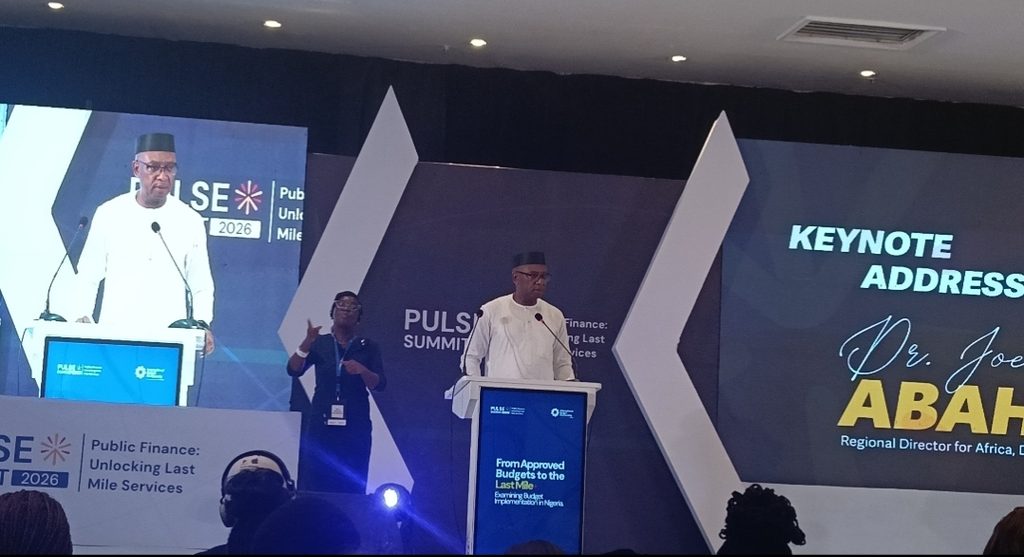
Abah called for stronger connections between budget approval, fund releases, procurement, implementation and sustainable service delivery.
The Country Director of the International Budget Partnership Nigeria, Olayinka Babalola, said the summit was driven by the organisation’s nine-year engagement with community-based organisations across the country.
She explained that the PULSE initiative, which focuses on Public Finance: Unlocking Last Mile Services, seeks to connect budget data with citizens’ experiences to improve public service delivery.
While acknowledging improvements in Nigeria’s macroeconomic indicators, including GDP growth and increased foreign reserves, Babalola said a significant gap remained between macroeconomic gains and the everyday experiences of Nigerians.
She therefore called for increased citizen participation and independent oversight to ensure that public resources deliver meaningful benefits, particularly to vulnerable and marginalised communities.