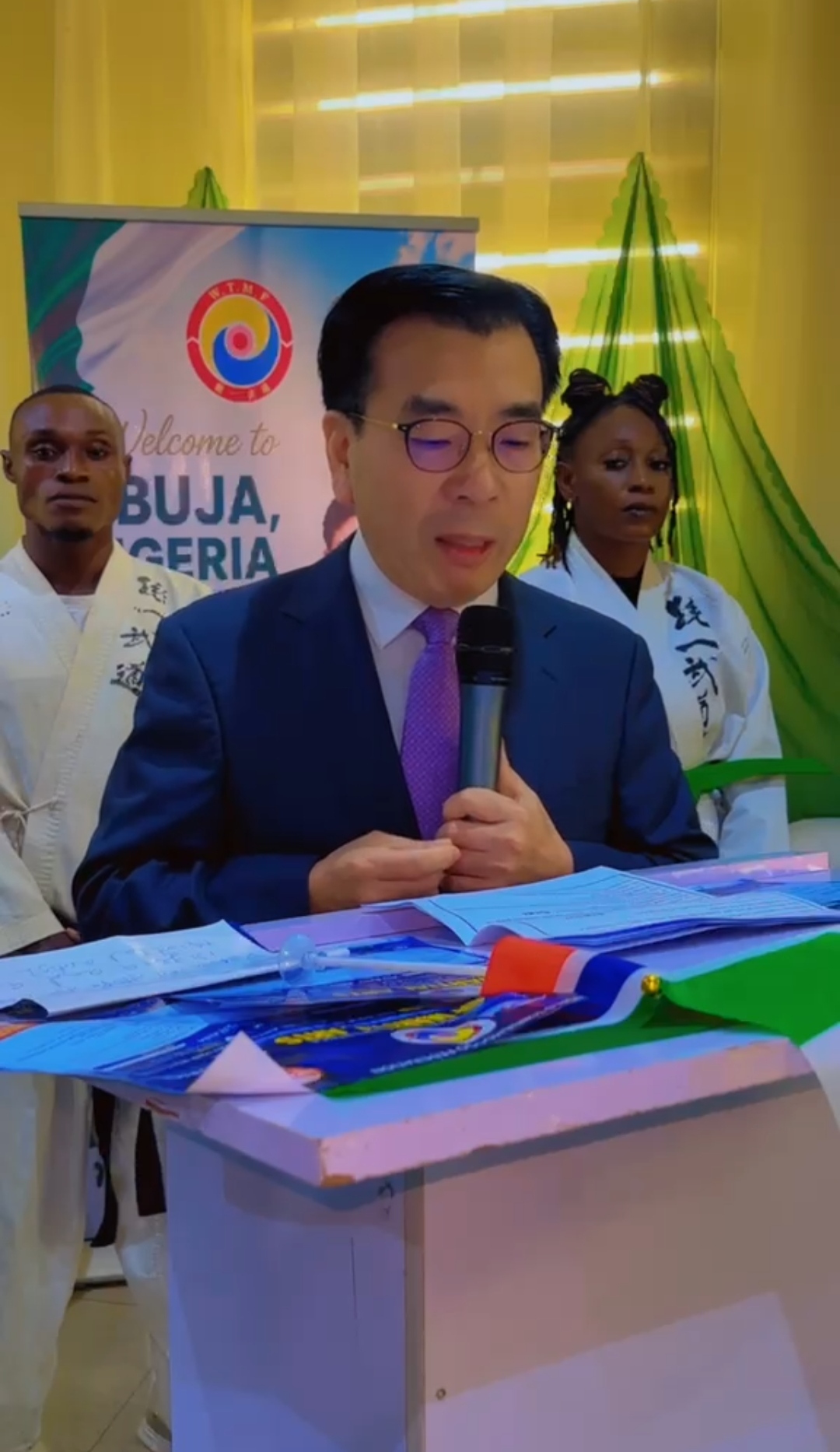
The World Unified Martial Arts Federation for Peace (WUMAFP) has called for stronger collaboration among governments, schools, martial arts organisations and community leaders to use martial arts as a tool for youth development, character building and peace across Africa.
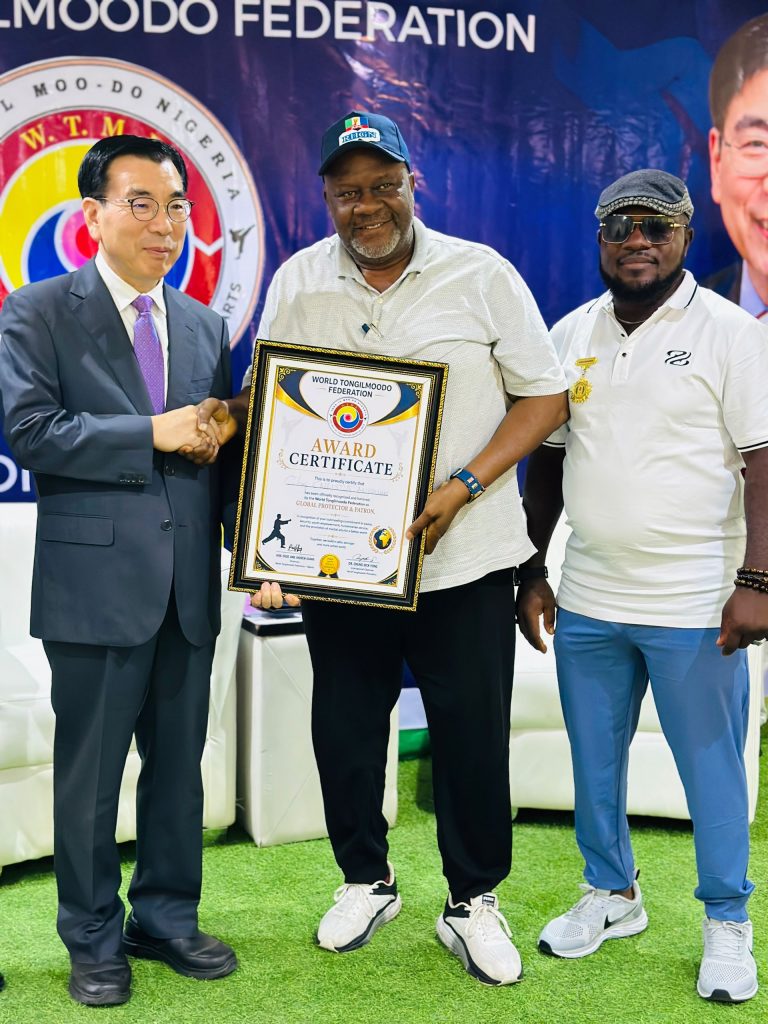
The call was made at the WUMAFP Nigeria Conference held in Nigeria on August 15, 2026, where the federation presented its vision for using martial arts to develop disciplined, responsible and service-oriented young leaders.
The federation identified “Love Heaven, Love Humanity and Love Your Nation” as its guiding principles, anchored on the philosophy of “Living for the Sake of Others.” It said selfishness remains a major source of social division, corruption and conflict, stressing the need to promote a culture of service and responsibility.
According to Dr.Chung Sik YONG the International Chairman world Tongilmoodo Federation ( the unified martial arts), he said martial arts should go beyond physical combat and competition to promote discipline, self-control, respect, courage, responsibility, patience and sacrifice.
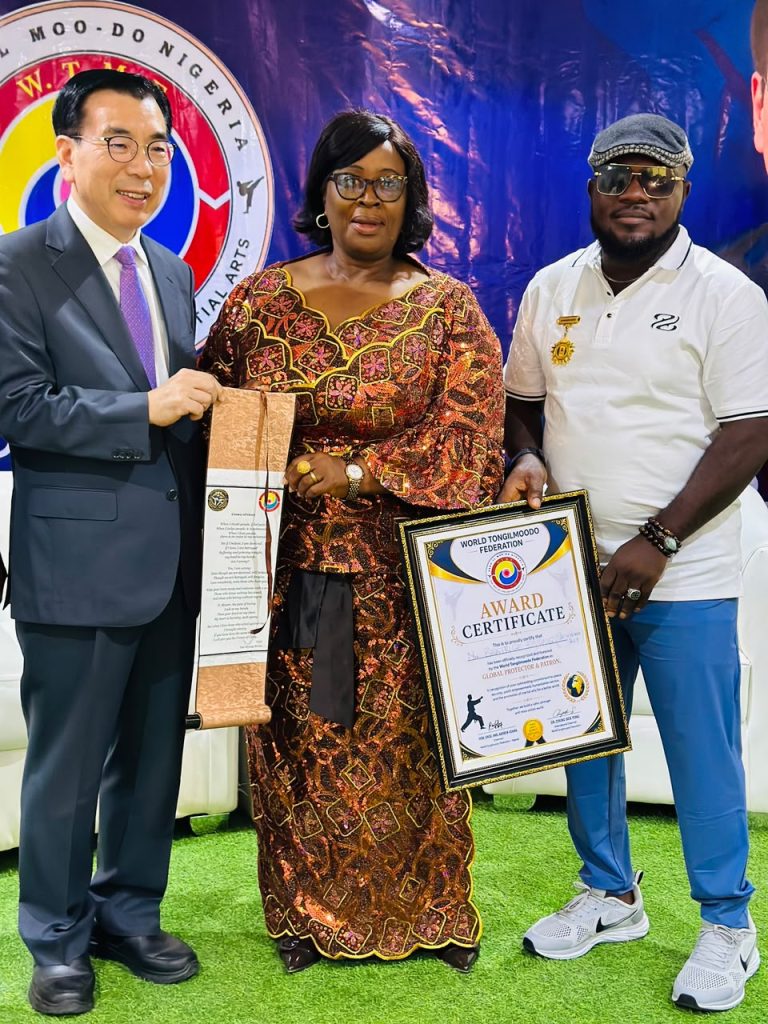
He argued that practitioners should develop their character alongside their martial arts skills, warning that martial arts without moral values could become dangerous, while values-based training could contribute significantly to peacebuilding.
The federation also unveiled its “From Zero to Hero” vision, aimed particularly at young people from disadvantaged backgrounds. It said poverty or limited opportunities should not determine a young person’s future, as discipline, education, hard work, character and service could help young people become leaders and contributors to their communities and nations.
As an initial step, WUMAFP proposed a 40-day pilot youth character and martial arts training programme in Nigeria. The programme would combine martial arts with character education, focusing on discipline, respect, leadership, teamwork, responsibility and service.
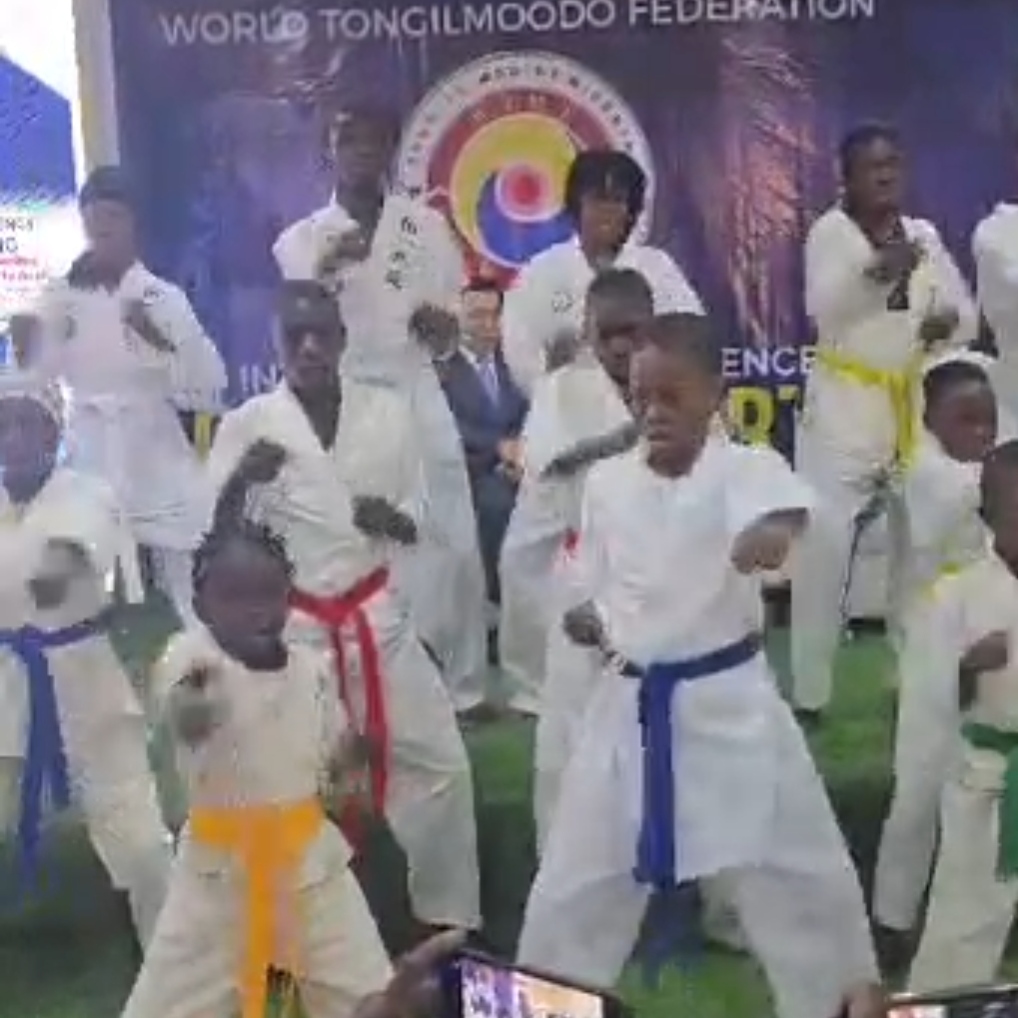
The federation said the pilot would begin with a manageable number of participants, after which the results would be evaluated and the programme expanded from communities and schools to states and eventually across Nigeria.
Dr.Chung Sik YONG stressed that the initiative would require broad partnerships involving government, educational institutions, martial arts federations, religious and community leaders, youth organisations, NGOs and businesses.
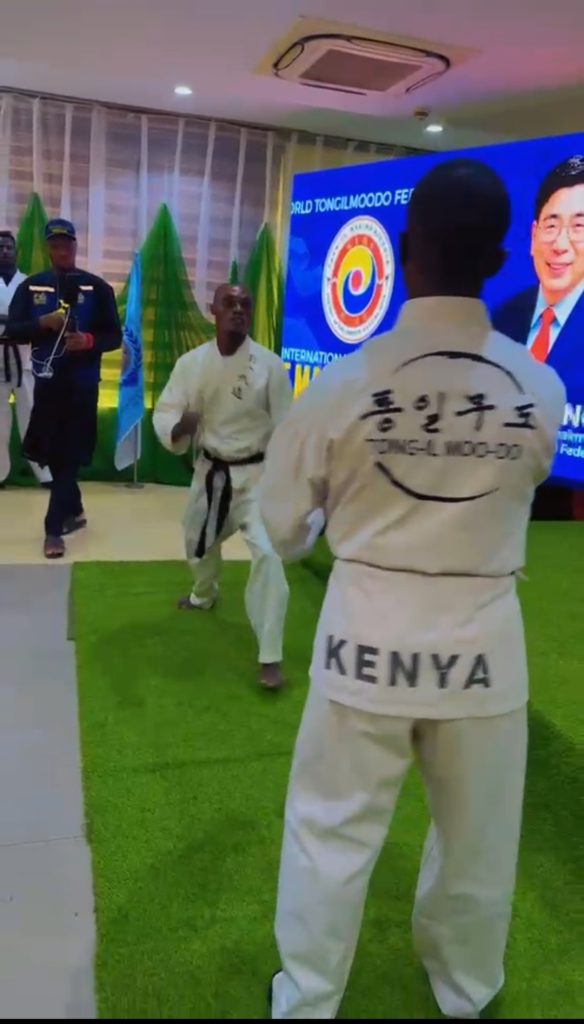
He said such partnerships would provide policy support, instructors, technical expertise, access to young people and the financial foundation required to sustain the programmes.
The federation further proposed the establishment of a WUMAFP Martial Arts Leadership Conference for Africa, MALC for Africa, to provide a platform for martial arts leaders across the continent to exchange ideas, strengthen character education and expand successful youth development models.
It also proposed hosting a three-night, four-day MALC for Africa in Nigeria next year, with education, sports and youth ministers from all 55 African countries, alongside representatives of major martial arts organisations.
The federation equally proposed a World Peace Cup centred on Tong-Il Moo-Do, designed to bring martial artists from Africa and other parts of the world together for competition, friendship, unity, character education and peace.
WUMAFP expressed hope that Nigeria would emerge as a central hub for the initiative and help build a continental network of martial arts leaders focused not only on producing sporting champions but also “champions of character.”
The federation said the broader vision was to train instructors who could work in schools and communities, teaching young people not only physical strength and self-defence, but also self-control, service and national responsibility.
It said the ultimate objective was to raise “good people” and not merely good fighters, stressing that martial arts leaders should be guided by love for humanity, service to others and commitment to their nations.
The federation urged Nigerian stakeholders to work together to turn the initiative into reality, describing the country as a potential starting point for a wider African movement centred on character, service, unity and peace.
It concluded with a message to young people that they have value, potential and a future, urging them to rise through discipline, character and service under the “From Zero to Hero” vision.